The Rise of Malaysia’s Squash Dynasty: What Makes Their Players World-Class
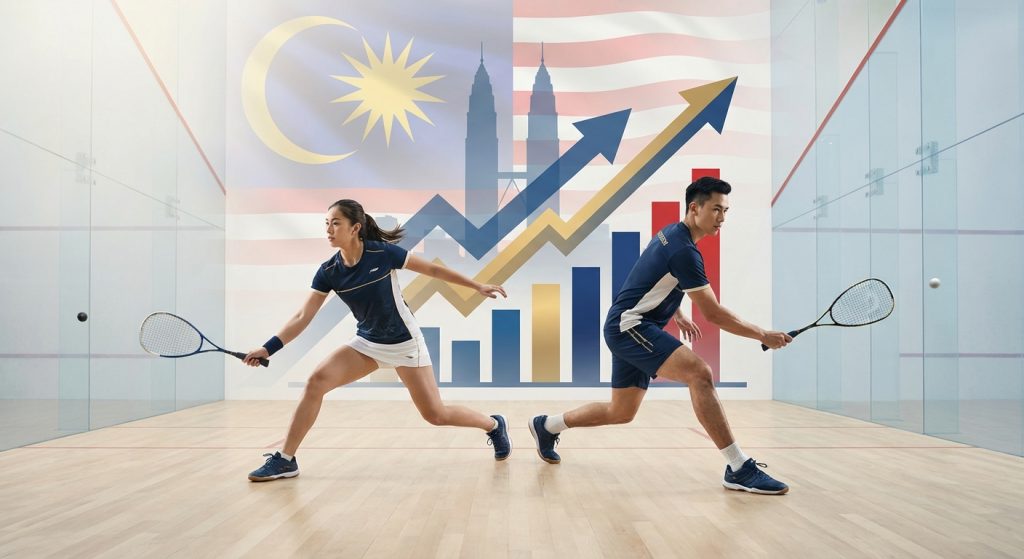
Malaysia has produced some of the finest squash players on the planet. From Nicol David’s record-breaking reign to the current crop of rising stars, this Southeast Asian nation punches far above its weight in a sport dominated by larger countries. What transforms talented Malaysian juniors into world-beaters? The answer lies in a carefully constructed ecosystem that blends technical excellence, mental fortitude, and institutional support.
Malaysian squash players achieve world class status through structured national programmes, early specialisation, access to international coaching expertise, rigorous physical conditioning, and a culture that prioritises mental resilience. The Squash Racquets Association of Malaysia creates pathways from junior academies to professional circuits, whilst partnerships with Egyptian coaches bring elite training methodologies. This combination produces technically sound, mentally tough athletes who compete at the highest level.
The Foundation Built by Nicol David
Nicol David didn’t just win titles. She created a blueprint.
Her nine World Championship victories and 108 consecutive months as world number one established Malaysia as a serious squash nation. But her legacy extends beyond trophies. David proved that Malaysian athletes could dominate a sport traditionally controlled by European and Egyptian players.
Young players now grow up watching Malaysian champions on television. They see someone who looks like them, speaks their language, and comes from their cities. That representation matters. It transforms squash from a foreign sport into something achievable.
The infrastructure built around David’s success remains in place. National coaching programmes, sponsorship frameworks, and media attention all stem from her era. Current players benefit from systems she helped establish, even if they never trained alongside her.
National Development Programmes That Actually Work

The Squash Racquets Association of Malaysia runs a tiered development system that identifies talent early and nurtures it systematically.
Here’s how the pathway functions:
- Regional screening programmes identify promising players aged 8 to 12 through school competitions and club tournaments.
- Selected athletes enter state-level academies where they receive structured coaching three to five times weekly.
- Top performers progress to the national academy in Bukit Jalil, training full-time with elite coaches.
- Athletes transition to international junior circuits, gaining exposure to different playing styles and court conditions.
- Professional pathway support helps players navigate sponsorships, tournament schedules, and career planning.
This systematic approach ensures no talented player falls through the cracks. Coaches track progress through standardised assessments, adjusting training loads based on physical development and competitive results.
The system also addresses financial barriers. Government funding covers travel costs for international tournaments, equipment subsidies, and coaching fees for promising juniors. Families don’t need wealth to support a child’s squash ambitions.
Technical Excellence Through Egyptian Expertise
Malaysia recognised a gap in its coaching knowledge and filled it brilliantly.
Egyptian squash has dominated the professional game for years. Rather than compete against this expertise, Malaysian administrators partnered with it. Collaborations with Egyptian coaches brought world-class technical knowledge to Malaysian academies.
These partnerships transformed training methodologies. Egyptian coaches emphasise tight racket skills, deceptive shot-making, and court craft that goes beyond pure athleticism. Malaysian players now combine their natural speed and fitness with the technical sophistication that defines Egyptian squash.
The collaboration works both ways. Malaysian coaches contribute insights about structured development programmes and mental conditioning, areas where they excel. This knowledge exchange creates a hybrid system stronger than either approach alone.
Players like S. Sivasangari and Ng Eain Yow demonstrate this fusion. They possess the technical finesse associated with Egyptian players whilst maintaining the relentless court coverage Malaysian athletes are known for.
Physical Conditioning That Matches International Standards
World class squash demands extraordinary fitness. Malaysian programmes prioritise this from junior levels onwards.
Training facilities in Bukit Jalil include dedicated strength and conditioning centres, altitude training chambers, and sports science laboratories. Players undergo regular physiological testing to monitor aerobic capacity, anaerobic threshold, and recovery rates.
Conditioning coaches design periodised programmes that peak athletes for major championships. Off-season blocks focus on building strength and power. Pre-competition phases emphasise court-specific conditioning and movement patterns.
The attention to detail extends to injury prevention. Physiotherapists work alongside coaches to identify movement dysfunctions before they cause problems. Players learn proper movement techniques and recovery protocols that extend careers.
Nutrition support ensures players fuel properly for training loads that often exceed 20 hours weekly. Dietitians create individualised meal plans accounting for tournament travel, weight management, and cultural food preferences.
Mental Toughness Programmes That Build Champions
Physical skills only take you so far. The mental game separates good players from champions.
Malaysian squash programmes incorporate sports psychology from junior levels. Athletes learn visualisation techniques, pre-match routines, and strategies for managing pressure situations.
“Mental preparation isn’t optional at the elite level. It’s the difference between winning and losing tight matches. Malaysian players train their minds as rigorously as their bodies, which shows in their ability to perform under pressure.” – National Sports Psychology Consultant
Players practice mental skills during training. Coaches create high-pressure scenarios where athletes must execute under fatigue and stress. This controlled exposure builds resilience that transfers to competition.
The programmes also address the emotional challenges of professional sport. Players learn to handle losses, manage expectations, and maintain motivation through injury setbacks. Mental skills coaches remain available throughout players’ careers, not just during junior development.
Court Craft and Tactical Intelligence
Malaysian players don’t just hit the ball hard. They think several shots ahead.
Tactical training forms a core component of development programmes. Players study match footage, analyse opponent patterns, and develop game plans for different playing styles.
Coaches use video analysis extensively. Players review their matches, identifying tactical errors and missed opportunities. This analytical approach develops decision-making skills that separate professional players from talented amateurs.
Training sessions incorporate tactical scenarios. Coaches set up specific situations and ask players to execute appropriate shot selections. This deliberate practice builds pattern recognition that becomes automatic during matches.
The emphasis on shot selection and placement creates intelligent players who adapt mid-match. They recognise when opponents struggle with certain patterns and exploit those weaknesses systematically.
Equipment Knowledge and Technical Adjustments
Professional players understand their equipment intimately. Malaysian programmes teach this from early stages.
Players learn how racket specifications affect performance and experiment with different setups during training. Coaches guide athletes through equipment choices, helping them find combinations that complement their playing styles.
String tension, grip size, and racket balance all receive attention. Players understand these variables aren’t just preferences but tools for optimising performance. A player struggling with control might adjust string tension rather than completely overhauling their technique.
The programmes also teach equipment maintenance. Players know when to restring rackets and how to care for shoes and grips. These details seem minor but affect consistency during long tournaments.
International Exposure and Competition Experience
Malaysian players don’t develop in isolation. They compete internationally from junior levels.
The national association funds travel to tournaments across Asia, Europe, and North America. This exposure teaches players to adapt to different court conditions, climates, and playing styles.
International competition also builds confidence. Players realise they can compete with athletes from traditional squash nations. Early victories against ranked opponents prove their training translates to match success.
Tournament experience teaches lessons training cannot replicate. Players learn to manage jet lag, unfamiliar food, and the mental challenge of competing far from home. These skills become crucial during professional careers spent largely on tour.
Comparing Malaysian and International Training Approaches
Different squash nations emphasise different aspects of player development. Understanding these variations clarifies what makes Malaysian approaches effective.
| Training Element | Malaysian Focus | Egyptian Focus | European Focus |
|---|---|---|---|
| Technical Skills | Hybrid precision and power | Deceptive shot-making | Structured consistency |
| Physical Conditioning | High-intensity court work | Endurance and flexibility | Strength and power |
| Mental Training | Systematic psychology programmes | Cultural resilience | Performance analysis |
| Tactical Development | Video analysis and pattern recognition | Instinctive court craft | Strategic planning |
| Junior Pathways | Centralised academy system | Club-based development | School and university programmes |
This comparison shows Malaysian programmes blend the best elements from multiple traditions whilst adding unique strengths in mental conditioning and systematic development.
Common Training Mistakes and How Malaysians Avoid Them
Many aspiring players make predictable errors that limit their progress. Malaysian programmes specifically address these pitfalls.
- Overemphasis on power without control: Coaches ensure players develop proper swing mechanics before adding power.
- Neglecting footwork fundamentals: Structured programmes include daily footwork drills that build proper movement patterns.
- Inadequate recovery between sessions: Sports science staff monitor training loads and enforce rest protocols.
- Poor shot selection under pressure: Tactical training specifically targets decision-making in high-stress situations.
- Ignoring mental skills development: Psychology support begins at junior levels, not just for elite athletes.
By systematically addressing these common weaknesses, Malaysian programmes accelerate development and reduce the trial-and-error period many players experience.
The Role of Domestic Competition
Strong domestic leagues create competitive training environments that push players daily.
Malaysia’s national circuit features regular tournaments that attract top local players. These events provide competitive opportunities without international travel costs, allowing players to test skills and gain match experience frequently.
Club competitions add another layer. Players represent their clubs in team formats that teach different tactical approaches and build camaraderie. The team environment also creates accountability, as players perform not just for themselves but for teammates.
This domestic competition structure means players don’t rely solely on international tournaments for match practice. They stay sharp year-round, maintaining competitive intensity even during off-season periods.
Financial Support and Professional Pathway Planning
Talent alone doesn’t create professional athletes. Financial support makes the difference.
The Malaysian government provides grants for promising players, covering training costs, equipment, and tournament travel. Corporate sponsors also support individual athletes and the national programme, recognising squash’s profile in Malaysia.
This funding allows players to train full-time without financial stress. Families don’t face impossible choices between supporting athletic dreams and maintaining financial stability.
Professional pathway planning helps athletes transition from junior to professional ranks. Advisors assist with sponsorship negotiations, tournament scheduling, and career planning. Players learn business skills alongside athletic development, preparing for life as professional athletes.
Learning from International Training Methods
Malaysian coaches study successful programmes worldwide, adapting effective methods to local contexts.
Partnerships with international federations facilitate knowledge exchange. Malaysian coaches attend overseas training camps, observing methods used by top programmes. Foreign coaches visit Malaysian academies, sharing insights and providing fresh perspectives.
This openness to learning prevents insularity. Rather than assuming Malaysian methods are perfect, coaches constantly seek improvements. They test new training protocols, measure results, and keep what works.
The willingness to learn from successful international players whilst maintaining cultural identity creates a dynamic system that evolves with the sport.
The Cultural Factors Behind Malaysian Success
Sport doesn’t exist in a vacuum. Cultural factors shape how nations approach athletic development.
Malaysian culture values education and discipline, traits that translate well to systematic training programmes. Players accept structured coaching and follow detailed training plans without resistance.
Family support plays a crucial role. Malaysian families often prioritise children’s sporting ambitions, providing emotional and practical support throughout development years. This backing allows young athletes to focus on training without external pressures.
Respect for coaching authority creates productive training environments. Players trust their coaches’ expertise and implement feedback without ego-driven resistance. This coachability accelerates improvement.
Adapting Training for Different Player Types
Not every player develops identically. Malaysian programmes recognise individual differences and adapt accordingly.
Some players naturally favour attacking styles whilst others excel at defensive consistency. Coaches identify these tendencies early and develop tactics that leverage natural strengths rather than forcing everyone into identical moulds.
Physical differences also receive attention. Taller players might emphasise different shot selections than shorter, quicker athletes. Training programmes account for these variations, teaching players to maximise their physical attributes.
Mental profiles vary too. Some athletes thrive under pressure whilst others need specific strategies to manage anxiety. Psychology support individualises mental skills training based on personality assessments and competitive responses.
The Next Generation of Malaysian Champions
Current junior players benefit from even more sophisticated systems than their predecessors.
Advanced technology now tracks every aspect of performance. Wearable sensors monitor movement patterns, heart rate variability, and training loads. Video analysis software breaks down technique frame by frame, identifying subtle flaws invisible to the naked eye.
Younger players also benefit from established professional pathways. They see clear routes from junior academies to professional success, with role models who navigated those paths recently.
The combination of proven systems, technological advancement, and strong role models positions Malaysia to maintain its world class status for generations.
Why Malaysian Methods Work for Aspiring Players Everywhere
You don’t need to live in Malaysia to apply lessons from their success.
The systematic approach to skill development translates to any training environment. Breaking down complex skills into manageable components, practising deliberately, and tracking progress works regardless of location.
The emphasis on mental training applies universally. Any player can develop pre-match routines, visualisation practices, and pressure management strategies. These skills often matter more than physical attributes.
Understanding proper technique and tactical principles doesn’t require expensive facilities. Players with access to just a court and a coach can study match footage, analyse patterns, and develop intelligent game plans.
The Malaysian example proves that systematic development, quality coaching, and mental toughness create world class players. These principles work anywhere.
Building Your Own World Class Foundation
Malaysian squash didn’t achieve world class status by accident. It resulted from deliberate choices, systematic programmes, and unwavering commitment to excellence.
The lessons apply whether you’re a junior player, club competitor, or coach building a programme. Focus on technical fundamentals. Develop mental skills alongside physical abilities. Seek quality coaching and remain open to learning. Compete regularly to test your skills under pressure.
Most importantly, trust the process. World class ability develops over years, not weeks. Malaysian players spend thousands of hours perfecting skills, building fitness, and developing tactical intelligence. There are no shortcuts, but the systematic approach makes the journey manageable.
Start with one element. Perhaps you need better footwork patterns or more consistent shot execution. Choose one area, apply focused practice, and measure your progress. Then move to the next element.
The Malaysian model shows that world class performance comes from doing ordinary things extraordinarily well, consistently, over long periods. That’s a formula anyone can follow.