Are Longer Rallies Making Modern Professional Squash More Exciting?
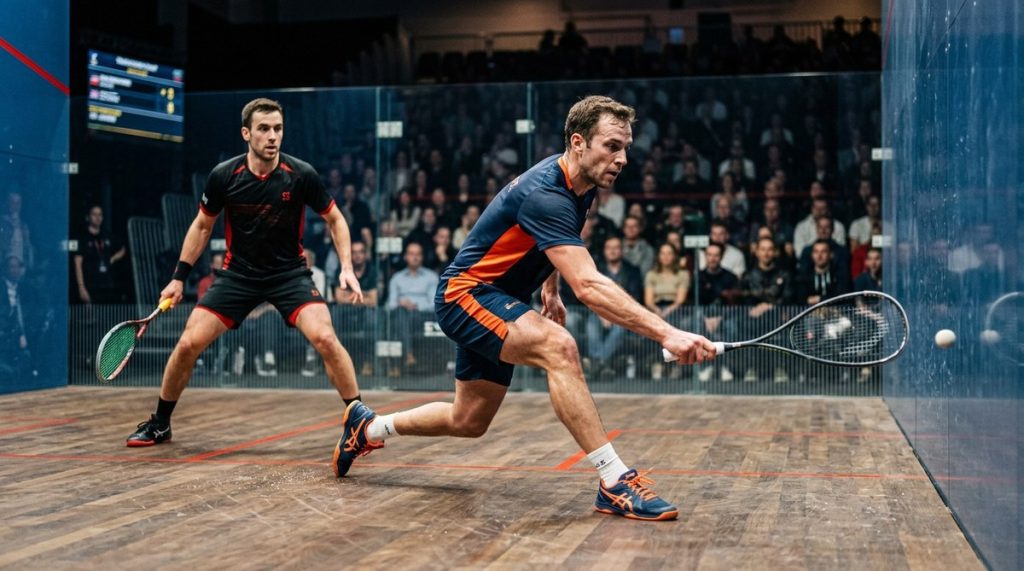
Professional squash has undergone a dramatic transformation over the past two decades. Matches that once featured explosive winners and short bursts of power now showcase gruelling exchanges that can stretch beyond 50 shots. The question on every fan’s mind is whether these marathon rallies genuinely enhance the spectacle or simply exhaust players and viewers alike.
Modern professional squash rallies now average 20-30 shots compared to 12-15 shots two decades ago. This shift stems from improved fitness, slower balls, and refined court positioning. Whilst extended rallies showcase athleticism and tactical depth, they create tension between traditional power players and patient retrievers. The entertainment value depends largely on rally quality rather than raw length, with varied shot selection proving more captivating than repetitive back-court exchanges.
What Changed in Professional Squash Rally Patterns
The transformation didn’t happen overnight. Several factors converged to extend rally duration at the elite level.
Ball specifications changed first. The Professional Squash Association introduced balls with slightly less bounce in the early 2000s. Players needed more shots to create genuine openings. The double yellow dot became slower still, particularly in air-conditioned venues.
String technology evolved simultaneously. Modern rackets feature thinner gauge strings at higher tensions. This combination produces tighter ball control but reduces outright pace. Players can retrieve seemingly impossible shots because the ball travels slower through the air.
Court surfaces matter more than casual fans realise. Glass courts reflect heat differently than traditional plaster walls. The ball stays warmer longer, maintaining consistent bounce throughout extended rallies. This consistency rewards defensive positioning over aggressive shot-making.
Fitness standards reached unprecedented levels. Today’s professionals train like endurance athletes. They recover faster between points and maintain concentration through 90-minute matches. A rally that would have ended in error after 20 shots now continues for 40 because neither player breaks down physically.
The Numbers Behind Rally Length Evolution
Data from PSA World Tour matches reveals striking patterns. The following table compares rally characteristics across different eras:
| Era | Average Rally Length | Longest Rally Recorded | Winners Per Game | Errors Per Game |
|---|---|---|---|---|
| 1990s | 12-15 shots | 38 shots | 8-10 | 6-8 |
| 2000s | 16-20 shots | 67 shots | 6-8 | 5-7 |
| 2010s | 22-28 shots | 109 shots | 5-7 | 4-6 |
| 2020s | 25-32 shots | 178 shots | 4-6 | 3-5 |
These figures tell a compelling story. Modern players hit fewer winners and make fewer errors. The margin between victory and defeat has narrowed considerably.
Match duration increased proportionally. Finals that once finished in 45 minutes now regularly exceed 90 minutes. The 2023 British Open final between Paul Coll and Diego Elias lasted 125 minutes across five games. Neither player could sustain attacking pressure long enough to dominate.
Spectators experience this shift differently. Some appreciate the athletic display and tactical chess match. Others miss the explosive winners and dramatic momentum swings that characterised earlier eras.
Breaking Down Rally Construction in Modern Matches
Understanding why rallies extend requires examining how professionals construct points. The process follows predictable stages.
Stage 1: Establishing Court Position
Both players begin by hitting deep, tight drives to the back corners. Neither attempts risky shots. The objective is reaching the T position first and forcing the opponent behind the service box. This phase typically lasts 8-12 shots.
Stage 2: Probing for Weaknesses
Once positioned favourably, players introduce variation. A boast to the front corner tests movement speed. A cross-court drive checks lateral coverage. These probes rarely produce winners but reveal defensive gaps. Expect another 10-15 shots during this phase.
Stage 3: Creating Openings
Genuine attacking opportunities emerge only after sustained pressure. A short ball, tired legs, or mental lapse creates space. The attacker must recognise this window instantly. Hesitation allows the defender to recover.
Stage 4: Finishing or Resetting
Attempted winners either succeed, hit the tin, or force a desperate retrieve. If the defender returns the attacking shot, the rally often resets to stage one. This cycle can repeat multiple times within a single point.
Building an unstoppable cross-court drive becomes essential for progressing through these stages efficiently.
The Fitness Equation That Powers Extended Rallies
Modern rally length directly correlates with cardiovascular capacity. Professional players now complete training protocols that would shock athletes from previous generations.
Here’s what a typical weekly training schedule includes:
- Court sessions totalling 15-18 hours focused on movement patterns and shot repetition
- Cardiovascular training comprising 6-8 hours of interval work and steady-state running
- Strength conditioning for 4-6 hours emphasising leg power and core stability
- Flexibility and recovery work including yoga, stretching, and physiotherapy sessions
- Match simulation drills replicating tournament pressure and extended rally scenarios
This volume explains why players can maintain intensity through 50-shot rallies. Their bodies adapt to sustained anaerobic effort followed by brief recovery periods.
The 20-minute court session that transforms your movement speed offers insights into replicating professional movement efficiency.
Recovery between points matters equally. Elite players control their breathing within 15 seconds of rally completion. Heart rates drop from 180 beats per minute to 140 in under 30 seconds. This rapid recovery allows consistent performance throughout marathon matches.
Tactical Advantages That Extended Rallies Create
Longer rallies fundamentally alter match strategy. Players who thrive in this environment share specific characteristics.
Patient Decision Making
Forcing errors through sustained pressure replaces hunting for immediate winners. The best retrievers understand that their opponent will eventually make a mistake if the rally continues long enough. They simply need to avoid giving away cheap points.
Superior Court Coverage
Ghosting routines that actually improve your court movement become non-negotiable for competing at the highest level. Players must reach every corner efficiently whilst maintaining balance for the next shot.
Mental Resilience
Psychological endurance determines outcomes in tight matches. Staying focused during the 40th shot of a rally requires extraordinary concentration. One lapse costs the point despite 39 perfect shots beforehand.
Shot Selection Discipline
Resisting the temptation to attack prematurely separates professionals from ambitious amateurs. The ball must be genuinely short and loose before attempting a winner. Marginal attacking opportunities usually result in errors or weak returns.
“The modern game rewards patience above all else. You must be comfortable hitting 30 drives to the back before attempting one drop shot. Players who cannot accept this reality will never reach the top 20.” – Former world number three and current coach
The Entertainment Debate That Divides Squash Fans
Opinion splits sharply on whether extended rallies enhance viewing experience. Both perspectives hold merit.
Arguments Favouring Longer Rallies
Supporters emphasise the athletic spectacle. Watching two supremely fit athletes refuse to yield creates genuine drama. The tension builds with each shot. Spectators appreciate the skill required to maintain accuracy under extreme fatigue.
Television broadcasts benefit from sustained action. Cameras can showcase player movement, shot selection, and tactical adjustments during extended exchanges. Brief rallies offer limited storytelling opportunities.
Arguments Against Rally Length Inflation
Critics argue that repetitive back-court exchanges become tedious. Hitting the same drive 40 times demonstrates fitness but not necessarily skill or creativity. Spectators want variation, risk-taking, and decisive shot-making.
The drop shot masterclass developing touch and feel for winners from anywhere represents the type of shot selection that critics believe should feature more prominently.
Casual fans struggle to maintain interest through 90-minute matches dominated by grinding rallies. The sport risks appearing inaccessible to newcomers who expect more dynamic action.
How Different Player Styles Adapt to Rally Length Trends
Not every professional embraces the grind equally. Playing styles diverge based on physical attributes and tactical preferences.
The Pure Retriever
These players built their games around outlasting opponents. They possess exceptional fitness, defensive positioning, and mental toughness. Diego Elias exemplifies this archetype. He rarely attempts risky winners but forces opponents into errors through relentless pressure.
The Power Counter-Puncher
This hybrid style combines strong defence with explosive attacking shots. Players wait patiently for opportunities but finish points decisively when openings appear. Why Paul Coll’s unorthodox style is redefining power play in professional squash demonstrates this approach effectively.
The Traditional Attacker
Some professionals resist the grinding trend entirely. They take calculated risks early in rallies, accepting higher error rates in exchange for shorter points. This style requires exceptional shot-making ability and confidence.
The Tactical Chameleon
The most successful modern players adjust their approach based on opponent weaknesses and match situations. They can grind when necessary but accelerate pace when advantageous. This versatility proves most effective across different conditions and opponents.
Technical Adjustments That Enable Sustained Rally Quality
Maintaining shot accuracy through extended rallies demands specific technical refinements. Professionals focus on efficiency over power.
The following technical elements separate elite performers from lower-ranked players:
- Compact swing paths that reduce energy expenditure whilst maintaining control
- Consistent strike points that allow reliable shot execution under fatigue
- Balanced weight transfer that preserves leg strength throughout long rallies
- Controlled follow-through that enables faster recovery to the T position
- Adaptive grip pressure that adjusts based on shot requirements and fatigue levels
The perfect squash swing breaking down your forehand drive in 5 simple steps provides foundational technique that supports extended rally performance.
Equipment choices reinforce these technical priorities. Lightweight vs head-heavy rackets which frame balance suits your playing style becomes particularly relevant for players competing in lengthy exchanges.
What Tournament Organisers Can Do to Balance Entertainment Value
The Professional Squash Association faces pressure to maintain spectator interest without compromising competitive integrity. Several options exist.
Ball Specification Adjustments
Introducing slightly bouncier balls for certain tournaments could reduce average rally length. This change would favour attacking players and create more varied shot selection. However, traditionalists resist any modification that alters the game’s fundamental character.
Scoring System Modifications
Some propose switching to best-of-three games to 15 points rather than best-of-five to 11. This format would reduce match duration whilst maintaining competitive balance. Others suggest implementing shot clocks to accelerate play between points.
Court Temperature Regulation
Warmer courts produce bouncier balls and potentially shorter rallies. Tournament organisers could standardise temperature ranges to ensure consistent playing conditions that reward attacking squash.
Prize Money Distribution
Restructuring prize money to reward attacking play could incentivise risk-taking. Bonuses for winners hit or shortest average rally length might encourage more aggressive tactics.
The Training Methods That Prepare Players for Extended Exchanges
Replicating match intensity during practice requires specific training protocols. Professionals incorporate several methods.
Conditioned Games
These drills restrict shot options to simulate rally patterns. For example, allowing only straight drives and boasts forces players to construct points patiently. Another variation permits attacking shots only from the front third of the court.
Time-Based Rallies
Players sustain continuous rallies for set durations, typically 90-120 seconds. This method builds mental resilience and shot consistency under fatigue. The objective is maintaining quality rather than attempting winners.
Progressive Overload Sessions
These workouts gradually increase rally intensity and duration. Players begin with comfortable exchanges then progressively add speed, accuracy requirements, and physical demands. The final sets should exceed match difficulty.
Match Simulation
Nothing replicates competition pressure better than playing practice matches. Professionals regularly compete against training partners using tournament scoring and conditions. These sessions reveal tactical weaknesses and fitness gaps.
How Amateur Players Can Apply Professional Rally Concepts
Club players benefit from understanding professional rally construction even if they cannot replicate the physical intensity.
Focus on these transferable principles:
Patience in Point Construction
Resist attempting winners from defensive positions. Accept that building pressure requires multiple shots. This mindset alone will improve your winning percentage significantly.
Movement Efficiency
Are you making these 7 footwork mistakes on the T identifies common errors that waste energy during rallies. Correcting these issues allows longer, higher-quality exchanges.
Shot Selection Discipline
Develop clear criteria for when to attack versus when to maintain pressure. Most club players attempt winners too early, resulting in unforced errors. Establishing shot selection rules improves consistency.
Fitness Foundation
You don’t need professional-level conditioning to benefit from improved fitness. Even modest cardiovascular improvements enable longer rallies and better shot quality late in matches.
The Future Direction of Professional Squash Rally Patterns
Predicting where the sport heads next requires examining current trends and potential rule changes.
Several scenarios appear plausible. Ball manufacturers might introduce new specifications that slightly increase bounce whilst maintaining professional standards. This adjustment could shorten rallies by 10-15 percent without fundamentally altering the game.
Alternatively, the grinding trend may continue intensifying. As fitness standards improve further, rallies could extend even longer. The record 178-shot rally might seem brief compared to future exchanges.
Technology could also influence rally patterns. Advanced analytics might reveal optimal shot selections that balance attack and defence more effectively. Players using data-driven strategies could develop hybrid styles that reduce rally length whilst maintaining winning percentages.
How the glass court revolution changed professional squash forever demonstrates how infrastructure changes reshape playing styles. Future court innovations might similarly impact rally characteristics.
Why Rally Quality Matters More Than Rally Length
The central question isn’t whether longer rallies improve squash but whether rally quality enhances entertainment value. A 50-shot exchange featuring varied pace, deceptive angles, and tactical creativity captivates audiences. A 50-shot rally of repetitive straight drives does not.
Modern professional squash succeeds when players balance patience with aggression. The most memorable matches feature extended rallies punctuated by spectacular winners. Neither extreme, pure grinding nor constant attacking, produces optimal entertainment.
5 match-winning tactics used by top 10 PSA players that you can master reveals how elite players create this balance through superior decision-making.
The sport’s governing bodies face the challenge of preserving competitive integrity whilst ensuring spectator appeal. Small adjustments to balls, scoring, or court conditions might achieve this balance without compromising the game’s essence.
Finding Your Own Rally Rhythm on Court
Understanding professional rally patterns helps you develop more effective tactics regardless of your playing level. Start by honestly assessing your current rally construction. Do you attempt winners too early? Do you lack the patience to build pressure properly?
Film your matches if possible. Count shots per rally and identify patterns. Most club players will discover they force errors through impatience rather than losing to superior opponents. Extending your average rally length by just five shots could transform your results.
Practice sustained exchanges during solo hitting sessions. Set targets for consecutive shots without errors. Gradually increase the difficulty by adding movement, varying pace, or restricting shot options. This training directly translates to match performance.
Remember that professional rally patterns represent one extreme of the sport. You don’t need 40-shot exchanges to play effective squash at your level. However, understanding why professionals construct points patiently provides valuable lessons about shot selection, court positioning, and tactical discipline that benefit every player.
The modern game rewards those who can sustain quality through extended rallies whilst recognising genuine attacking opportunities. Developing this balance takes time but produces more consistent, satisfying results on court.