The Art of the Counter-Drop: Why PSA Pros Are Relying on This Shot to Secure Wins
The ball trickles over the net with soft bounce, your opponent charging forward expecting a simple block. You feel the paddle face open, a gentle wrist hinge, and the ball dies just over the tape. That is the counter drop pickleball shot, and it is fast becoming the most reliable weapon in competitive play. More than a defensive get out of jail card, this shot puts you back on the front foot, forces errors, and saps your opponent’s confidence. In 2026, tournament professionals are leaning on it harder than ever to control the kitchen and steal points from seemingly lost positions.
The counter drop pickleball shot is a soft, angled volley that redirects a fast incoming ball back over the net with minimal pace, forcing your opponent to scramble forward. It transforms defence into attack. To master it you need a relaxed grip, precise paddle control, and split step timing. The payoff is huge: more rallies won from the kitchen line and fewer simple errors under pressure.
What Exactly Is a Counter Drop Pickleball Shot?
A counter drop is the art of taking pace off a ball that is already coming at you with speed, and dropping it softly into the non volley zone. Unlike a standard drop shot, which you usually play off a slower ball, a counter drop starts with an aggressive incoming ball. You absorb that energy and redirect it with a compact motion.
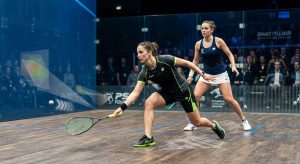
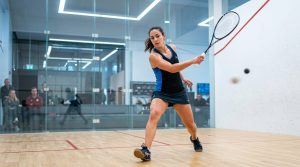
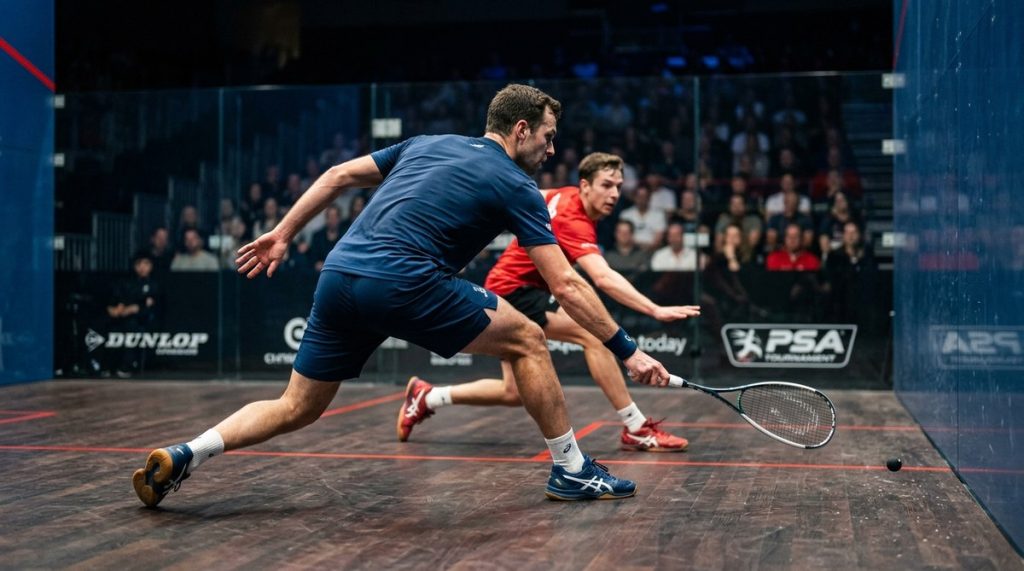
Think of it like a squash volley drop. The principle is the same: meet the ball early, soften your grip, and let the paddle do the work. But in pickleball, the margin for error is smaller because the kitchen line is only seven feet deep. You need to land the ball within that box, usually near the sideline or middle, to make your opponent stretch.
Why Top Players Are Relying on It
The counter drop is not a flashy shot. It does not produce highlight reel smashes. Yet it wins matches because it disrupts rhythm. When your opponent hits a hard drive, they expect you to either block it back or try a speed up. If you counter drop, you force them to change direction, sprint forward, and hit up. That is a recipe for weak returns.
Watch any high level doubles match. The team that controls the kitchen line usually wins. The counter drop is the tool that earns you that control. It allows you to stay at the net instead of retreating. It also saves energy. Instead of trading heavy baseline drives, you end the point with a featherlight touch.
The Four Step Technique for a Consistent Counter Drop
Mastering the counter drop pickleball shot comes down to building a repeatable process. Follow these steps on every execution.
-
Split step as the ball leaves your opponent’s paddle. Your feet must be active. A still stance is a slow stance. The split step gives you the spring to move forward or sideways.
-
Move your paddle back early, but keep it compact. You do not need a big backswing. Bring the paddle head behind your front shoulder. Your elbow stays bent and close to your body.
-
Close the paddle face slightly and aim for the centre of the ball. A neutral or slightly closed face helps you create backspin. Contact the ball in front of your body, ideally around waist height. Let the ball come to you rather than reaching.
-
Soften your grip on impact. This is the secret ingredient. A tight grip causes the ball to pop up. A loose grip absorbs pace and lets the ball die. Think of catching an egg. After contact, follow the ball with your paddle to control direction.
This sequence takes about half a second. The more you drill it, the more instinctive it becomes.
Common Mistakes and How to Fix Them
Even good players struggle with the counter drop. The table below summarises the most frequent errors and what to adjust.
| Mistake | What Happens | Correction |
|---|---|---|
| Swinging too hard | Ball travels deep or goes long | Use only 30% of your swing power. Focus on direction not speed. |
| Hitting the ball too late | Ball floats up and gets smashed | Contact the ball at its peak bounce, before it drops low. |
| Stiff wrist and grip | Ball pops up with no spin | Relax your hand. Imagine you are holding a wet sponge. |
| Standing too upright | Lose balance and mishit | Bend your knees. Get your eyes down to the ball level. |
| Aiming at the middle every time | Opponent reads your shot easily | Mix up angles. Drop cross court and down the line. |
Spend five minutes at the start of each practice session reviewing these corrections. Film yourself if you can. Video never lies.
Drills to Build Counter Drop Consistency
You cannot learn this shot from watching YouTube alone. You need court time. Use these three drills to groove the movement and feel.
- Wall volley drop drill. Stand six feet from a solid wall. Hit a firm forehand drive into the wall. As the ball rebounds, catch it with a soft counter drop back to the wall. Do twenty reps per side. Focus on the two bounce rule: your drop should hit the wall and fall to the floor within two bounces.
- Cross court counter drop with a partner. Feed drives at each other from the baseline. The receiver must counter drop over the net. Aim for a target zone just over the non volley line. Score points for every drop that lands in the box.
- Kitchen line touch drill. Both players start at the kitchen line. One player hits a soft volley drop. The other player must counter drop it back. Rallies stay low and soft. This builds the delicate feel needed for match situations.
“The counter drop is the shot that separates reactive players from proactive ones. If you can consistently drop a hard driven ball back with softness, you become a nightmare to play against. It takes patience, but once it clicks, your game changes.” — Former PSA squash pro turned pickleball coach, Mark Dalton.
How to Use the Counter Drop in Match Play
Knowing the technique is half the battle. Knowing when to use it is the other half. Here is a practical guide for points during a match.
When to Counter Drop
- After a deep return of serve. Your opponent drives the third shot. You are at the kitchen line. A counter drop cross court pulls them wide.
- When you are under pressure at the net. If you are stretched sideways, a soft middle drop buys you time to recover your court position.
- On the fifth shot. After you hit a drop and they drive again, the counter drop becomes a deadly pattern to break their rhythm.
When to Avoid It
- If the ball is below knee height. You will likely pop it up. Instead, block deep or reset.
- Against a player who loves to poach. A middle counter drop can be intercepted. Use the angle down the line to keep it safe.
- If you are off balance. Executing a counter drop requires stable weight. If you are falling backwards, block high and reset.
Combine the counter drop with the art of deception with holds and disguise to keep your opponent guessing. Even a slight wrist pause before the drop can make them commit too early.
Make the Counter Drop Your Go to Weapon
The counter drop pickleball shot is not a fad. It is a fundamental skill that every tournament player should own. By absorbing pace and redirecting with touch, you take control of the net without needing a massive smash. The best part? It rewards feel over strength. Anyone can develop it with consistent practice.
Start with the steps above. Drill the wall volley for ten minutes before your next session. Then try it in a friendly game, even if you miss a few. The payoff in rally wins and opponent frustration is worth the effort. Play smart. Drop soft. Win more.