The Real Cost of Running a Squash Club: What Members Don’t See Behind the Scenes
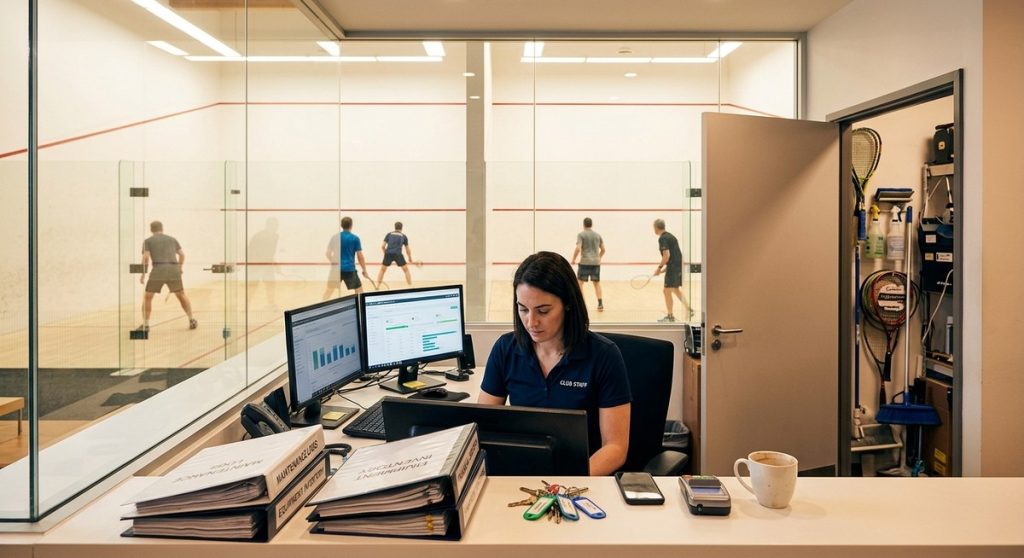
Running a squash club looks simple from the outside. Members book courts, pay fees, and play. But behind every successful facility sits a complex web of operational expenses that most players never consider. The difference between a thriving club and one that closes its doors often comes down to understanding and managing these hidden costs.
Squash club running costs extend far beyond basic utilities and rent. Successful facility managers must account for court maintenance, insurance, staffing, heating, lighting, equipment replacement, regulatory compliance, and marketing. Most clubs require £8,000 to £15,000 monthly just to keep doors open, with court resurfacing alone costing £3,000 to £5,000 per court every five to seven years. Understanding these expenses is crucial for long-term viability.
Understanding the Fixed Cost Foundation
Every squash facility starts with non-negotiable monthly expenses that exist whether courts are fully booked or sitting empty.
Property costs form the largest fixed expense. Lease payments for a facility with four courts typically range from £3,000 to £8,000 per month in urban areas. Owned properties still carry mortgage payments, property taxes, and building insurance. These costs don’t fluctuate with member numbers or court usage.
Insurance premiums represent another substantial fixed cost. Public liability insurance for a squash facility runs £2,000 to £4,000 annually. You need coverage for player injuries, property damage, and professional indemnity if you employ coaches. Some insurers require additional cover for glass-backed courts due to higher replacement costs.
Business rates vary dramatically by location but can easily exceed £1,500 monthly for a typical club. Some facilities qualify for sports relief, but the application process requires detailed documentation of your community benefit activities.
Regulatory compliance costs include annual fire safety inspections, emergency lighting tests, and periodic structural assessments. Budget £800 to £1,200 yearly for mandatory safety checks alone.
The True Cost of Court Maintenance
Court surfaces deteriorate faster than most club owners anticipate. Professional-grade plaster courts need complete resurfacing every five to seven years at £3,000 to £5,000 per court. Glass-backed courts cost even more, with replacement panels running £8,000 to £12,000 depending on size and specification.
Between major renovations, courts require ongoing maintenance:
- Monthly deep cleaning to prevent dust buildup that affects ball bounce
- Quarterly inspection of wall joints and floor seams
- Bi-annual repainting of tin and service lines
- Regular floor treatments to maintain optimal grip levels
Floor maintenance alone costs £400 to £600 per court annually. Wooden floors need specialist treatment to prevent warping from humidity changes. The wrong cleaning products can create dangerous slip hazards or damage the playing surface.
Court lighting presents another ongoing expense. Modern LED systems reduce energy costs but require significant upfront investment of £1,200 to £2,000 per court. Traditional fluorescent systems cost less initially but consume more electricity and need bulb replacement every 18 to 24 months.
“The biggest mistake new club owners make is underestimating court maintenance. They budget for obvious costs like utilities but forget that playing surfaces are constantly degrading. By the time visible damage appears, you’re already behind on maintenance.” – James Mitchell, Facilities Manager, Bristol Squash Centre
Heating and Ventilation Expenses That Surprise Everyone
Squash courts generate enormous amounts of heat during play, yet they’re often freezing before the first player arrives. This creates a complex heating challenge that drives up energy costs significantly.
Adequate ventilation systems cost £15,000 to £25,000 to install per court and consume substantial electricity. Poor ventilation leads to condensation, which damages walls and creates dangerous playing conditions. But over-ventilation in winter sends your heating costs through the roof.
Most clubs spend £200 to £400 per court monthly on heating during winter months. Gas heating systems offer lower running costs but higher installation expenses. Electric systems cost more to operate but provide better zone control, allowing you to heat only booked courts.
Air conditioning in summer adds another layer of expense. Without it, courts become unbearably hot, driving members away during peak revenue months. Installation costs range from £3,000 to £5,000 per court, with monthly running costs of £150 to £250 during summer.
Humidity control often gets overlooked until problems emerge. Excessive moisture damages court walls and creates health hazards. Dehumidification systems cost £2,000 to £4,000 to install and add £80 to £120 monthly to electricity bills.
Staffing Costs Beyond Reception Desks
Personnel expenses typically consume 30 to 40 percent of a club’s operating budget. Even small facilities need minimum staffing levels to operate safely and legally.
Reception coverage during operating hours forms the baseline requirement. A club open 14 hours daily needs at least two part-time staff members. At £10.50 to £12.00 per hour, reception costs alone exceed £3,000 monthly.
Maintenance staff represent another essential expense. Court cleaning between bookings, equipment checks, and basic repairs require dedicated personnel. Many clubs employ one full-time maintenance person at £24,000 to £30,000 annually plus benefits.
Professional coaching generates revenue but also creates costs. Employed coaches require payroll taxes, insurance, and sometimes guaranteed minimum hours. Self-employed coaches using your facilities typically pay 20 to 30 percent of lesson fees to the club, reducing your net revenue from coaching activities.
Administrative tasks consume more time than expected. Membership management, booking systems, financial reporting, and marketing coordination often require a part-time administrator at 15 to 20 hours weekly.
| Staff Role | Typical Hours | Monthly Cost Range | Hidden Expenses |
|---|---|---|---|
| Reception | 60-80 hours | £2,800-£4,000 | Holiday cover, sick pay |
| Maintenance | Full-time | £2,400-£3,200 | Tools, supplies, training |
| Coaching | Variable | Revenue share | Insurance, DBS checks |
| Administration | 15-20 hours | £800-£1,200 | Software subscriptions |
Equipment Replacement and Upgrade Cycles
Court equipment degrades constantly through normal use. Planning for replacement prevents emergency purchases that strain budgets.
Court doors need replacement every 10 to 15 years at £800 to £1,500 per door. Handles, locks, and hinges require more frequent replacement, typically every three to five years at £150 to £300 per court.
Lighting systems last 8 to 12 years before requiring complete replacement. LED systems offer longer lifespans but cost more upfront. Factor £1,500 to £2,500 per court for lighting upgrades when planning long-term budgets.
Changing room facilities require ongoing investment. Lockers last 15 to 20 years but locks need replacement every two to three years. Shower facilities need regular maintenance, with mixer valves requiring replacement every five to seven years at £200 to £400 per unit.
Seating and spectator areas deteriorate faster in high-traffic clubs. Budget £1,000 to £2,000 every five years for furniture replacement in viewing areas and lounges.
Technology and Systems That Modern Clubs Need
Court booking systems have evolved from paper diaries to sophisticated online platforms. Monthly subscription costs range from £80 to £200 depending on features and member numbers.
Payment processing fees consume 1.5 to 3.0 percent of every transaction. For a club processing £10,000 monthly in membership and court fees, that’s £150 to £300 lost to payment providers.
Website hosting and maintenance add £30 to £100 monthly. Professional site updates cost £500 to £1,500 annually. Neglecting your online presence drives potential members to competitors with better digital experiences.
Security systems including CCTV and alarm monitoring cost £80 to £150 monthly. Insurance providers often require these systems, making them non-negotiable expenses rather than optional upgrades.
Wi-Fi has become an expected amenity. Business-grade internet suitable for a sports facility costs £60 to £120 monthly. Members expect reliable connectivity in changing areas and lounges.
Marketing and Member Acquisition Expenses
Attracting new members requires consistent investment. Many struggling clubs cut marketing first when budgets tighten, creating a downward spiral of declining membership and revenue.
Digital advertising costs vary dramatically by location and competition. Expect to spend £200 to £500 monthly on Google Ads and social media promotion to maintain visibility. Seasonal campaigns during January and September require additional budget.
Print materials including membership brochures, court information sheets, and promotional posters cost £300 to £600 quarterly. Professional design services add another £400 to £800 annually.
Community engagement activities like open days, junior programmes, and coaching tasters generate new members but require upfront investment. Budget £1,000 to £2,000 annually for member acquisition events.
Website SEO and content creation help attract organic traffic. Professional content services cost £300 to £800 monthly but generate long-term returns through improved search rankings. Understanding how to organise a successful club championship creates natural marketing opportunities that showcase your facility.
Managing Seasonal Fluctuations in Operating Costs
Squash clubs experience dramatic seasonal variations in both revenue and expenses. Summer months typically see 30 to 40 percent drops in court bookings whilst heating costs plummet. Winter brings full courts but soaring energy bills.
Creating a cash reserve during peak months prevents crisis management during slow periods. Most successful clubs maintain operating reserves equal to three to four months of fixed costs, typically £25,000 to £45,000 for a four-court facility.
Utility bills fluctuate wildly between seasons. A club spending £800 monthly on heating in January might spend only £200 in July. But summer air conditioning costs partially offset these savings. Annual utility budgets need to account for these swings rather than assuming consistent monthly expenses.
Maintenance scheduling affects seasonal costs. Major court resurfacing projects typically happen during summer when court closures impact fewer members. This concentrates large expenses into already challenging revenue months.
The Hidden Cost of Regulatory Compliance
Health and safety regulations create ongoing compliance costs that many prospective club owners underestimate. Annual requirements include:
- PAT testing for all electrical equipment at £3 to £5 per item
- Fire extinguisher servicing at £15 to £25 per unit
- Emergency lighting tests requiring specialist contractors
- First aid kit replenishment and staff training updates
- Legionella risk assessments and water testing
- Asbestos management surveys for older buildings
Total annual compliance costs typically range from £1,500 to £3,000 for a typical facility. Failing to maintain proper documentation can result in insurance claims being denied or regulatory penalties.
DBS checks for staff and coaches cost £40 to £60 per person and require renewal every three years. Clubs employing multiple coaches face ongoing screening expenses.
Data protection compliance under GDPR requires proper systems for managing member information. Many clubs need professional advice costing £500 to £1,200 to ensure compliance.
Building a Sustainable Financial Model
Successful clubs develop multiple revenue streams beyond court bookings. Membership fees provide predictable income, but additional services create financial resilience.
Pro shop sales of rackets, balls, and accessories generate profit margins of 25 to 40 percent. A modest pro shop can add £500 to £1,500 monthly to club revenue with minimal additional staffing costs.
Coaching programmes create win-win scenarios. Clubs typically retain 20 to 30 percent of coaching fees whilst providing coaches with facilities and member access. A busy coaching programme can contribute £2,000 to £4,000 monthly to club income.
Social events and tournaments drive additional revenue whilst building community. Well-organised competitions attract entry fees, spectator spending, and increased bar revenue. Learning the ultimate guide to squash club etiquette helps create a welcoming environment that encourages participation.
Corporate memberships command premium prices. Companies pay £1,200 to £2,400 annually for multi-person packages that include court access and coaching. These memberships provide stable income and introduce new players to the sport.
Making the Numbers Work for Long-Term Success
Understanding squash club running costs transforms abstract business plans into realistic operational models. The difference between successful facilities and those that struggle often comes down to accurate budgeting and disciplined financial management.
Most viable clubs need minimum annual revenues of £120,000 to £180,000 to cover operational expenses and maintain facilities properly. That translates to roughly £10,000 to £15,000 monthly before considering profit or expansion investment.
Court utilisation rates above 60 percent during peak hours indicate healthy demand. Below 40 percent suggests pricing problems or insufficient marketing. Track these metrics monthly to identify trends before they become crises.
The clubs that thrive long-term invest consistently in maintenance, member experience, and community building. Short-term cost cutting often creates expensive problems down the line. A £500 repair delayed becomes a £3,000 emergency six months later.
Starting or managing a squash facility requires realistic expectations about operational expenses. The numbers might seem daunting initially, but understanding true costs allows you to build sustainable pricing models and create facilities that serve communities for decades. Your members might never see these behind-the-scenes expenses, but they’ll certainly feel the difference between a well-managed club and one cutting corners to save money.