How to Organise a Successful Club Championship in 6 Simple Steps
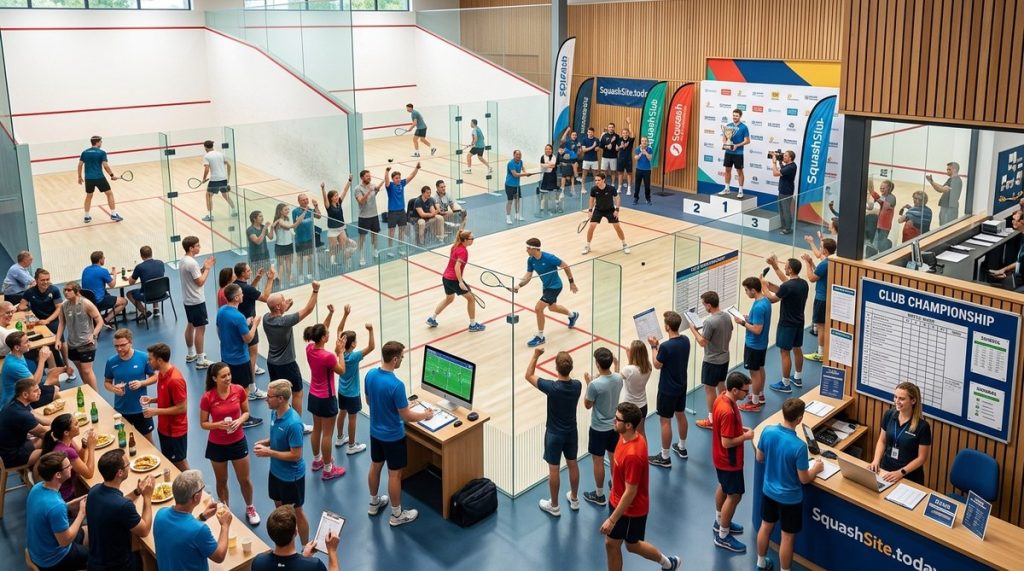
Running a club championship can feel overwhelming when you’re staring at blank spreadsheets and wondering where to start. But the truth is, most successful tournaments follow the same proven framework that keeps players engaged, courts running smoothly, and your committee sane throughout the entire process.
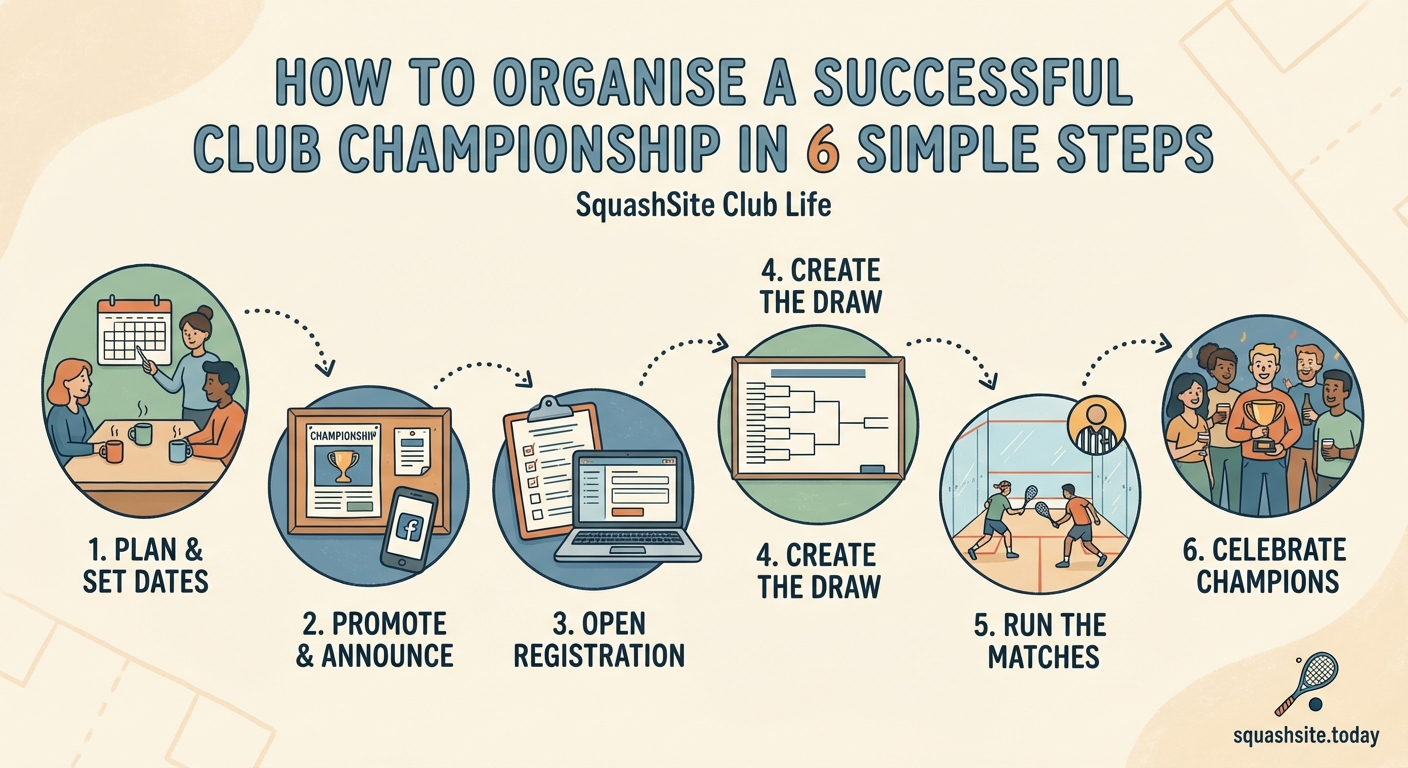
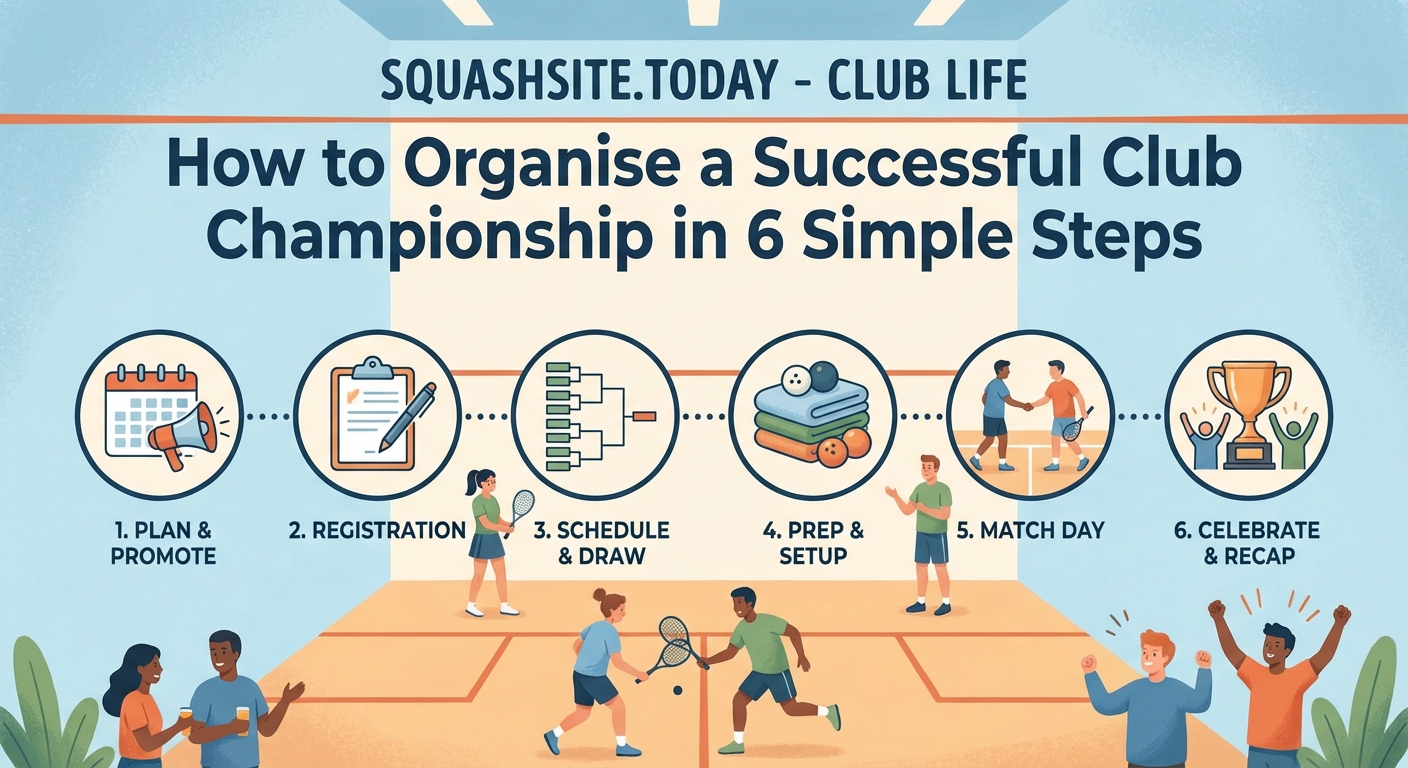
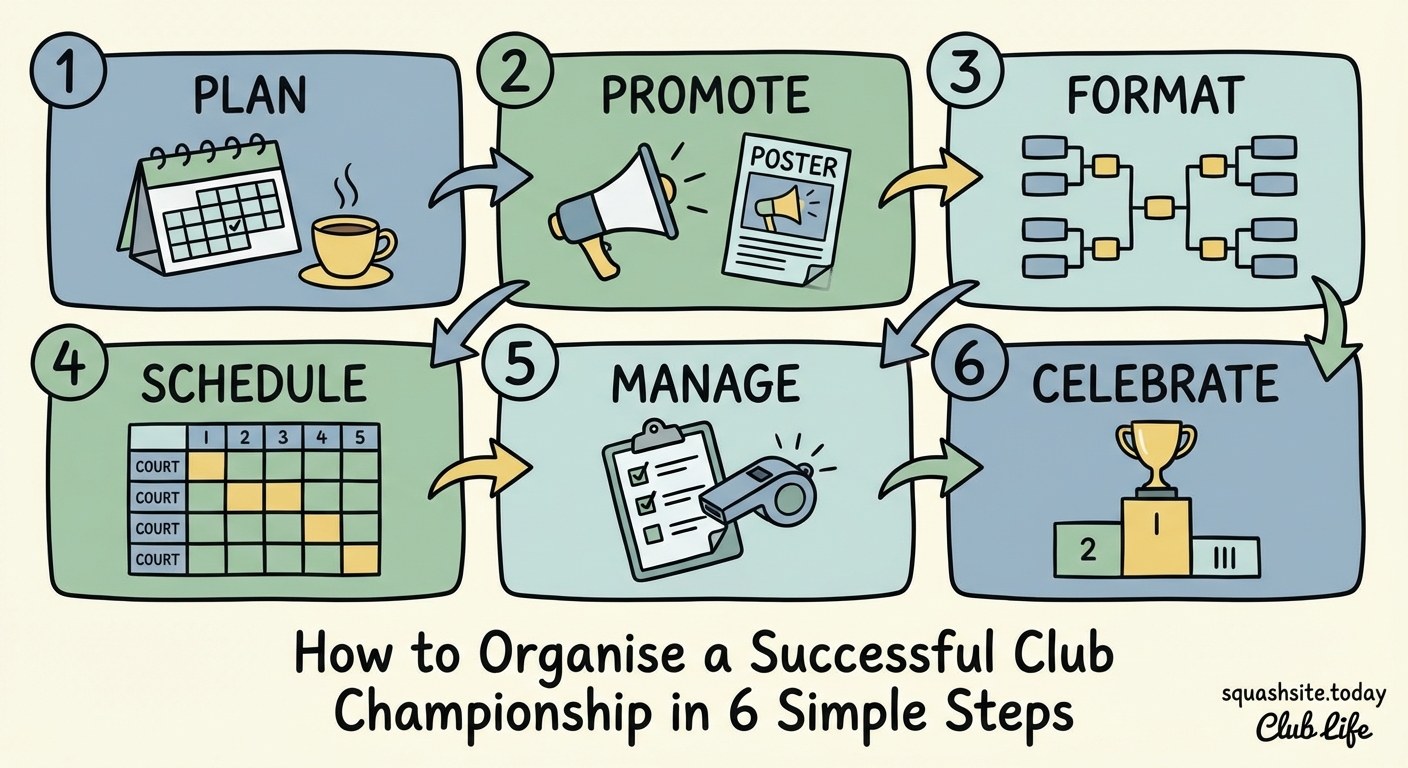
Organising a club championship requires six core steps: defining your format and entry criteria, building a realistic timeline, securing courts and managing bookings, promoting the event effectively, executing smooth match day operations, and collecting feedback for future improvements. Success depends on clear communication, flexible scheduling, and involving your membership throughout the planning process.
Define Your Tournament Format and Entry Criteria
The format you choose shapes everything else about your championship. Start by asking what you want to achieve. Are you looking to crown a single club champion, or do you want multiple divisions that give more players a chance at silverware?
Most clubs run separate draws for different skill levels. A typical structure includes an A division for your strongest players, B division for intermediates, and C division for newer members. This prevents mismatches and keeps every bracket competitive.
Consider these popular formats:
- Knockout draw – Simple, time-efficient, but one loss ends your tournament
- Round robin – Everyone plays everyone, fairer but needs more court time
- Monrad system – Players face opponents with similar records, balancing fairness and efficiency
- Box leagues – Small groups play each other, winners advance to knockout stages
Entry criteria matter just as much as format. Will you use league positions from the previous season? Player rankings? Self-nomination with committee approval? Clear criteria prevent disputes before they start.
Set your entry fee early. This covers court hire, balls, trophies, and perhaps post-tournament food and drinks. Most clubs charge between £15 and £30 per player. Be transparent about where the money goes.
“The biggest mistake clubs make is choosing a format that looks impressive on paper but requires twice the court availability they actually have. Pick what fits your resources, not what sounds prestigious.” – Club tournament director with 12 years’ experience
Build a Realistic Timeline That Actually Works
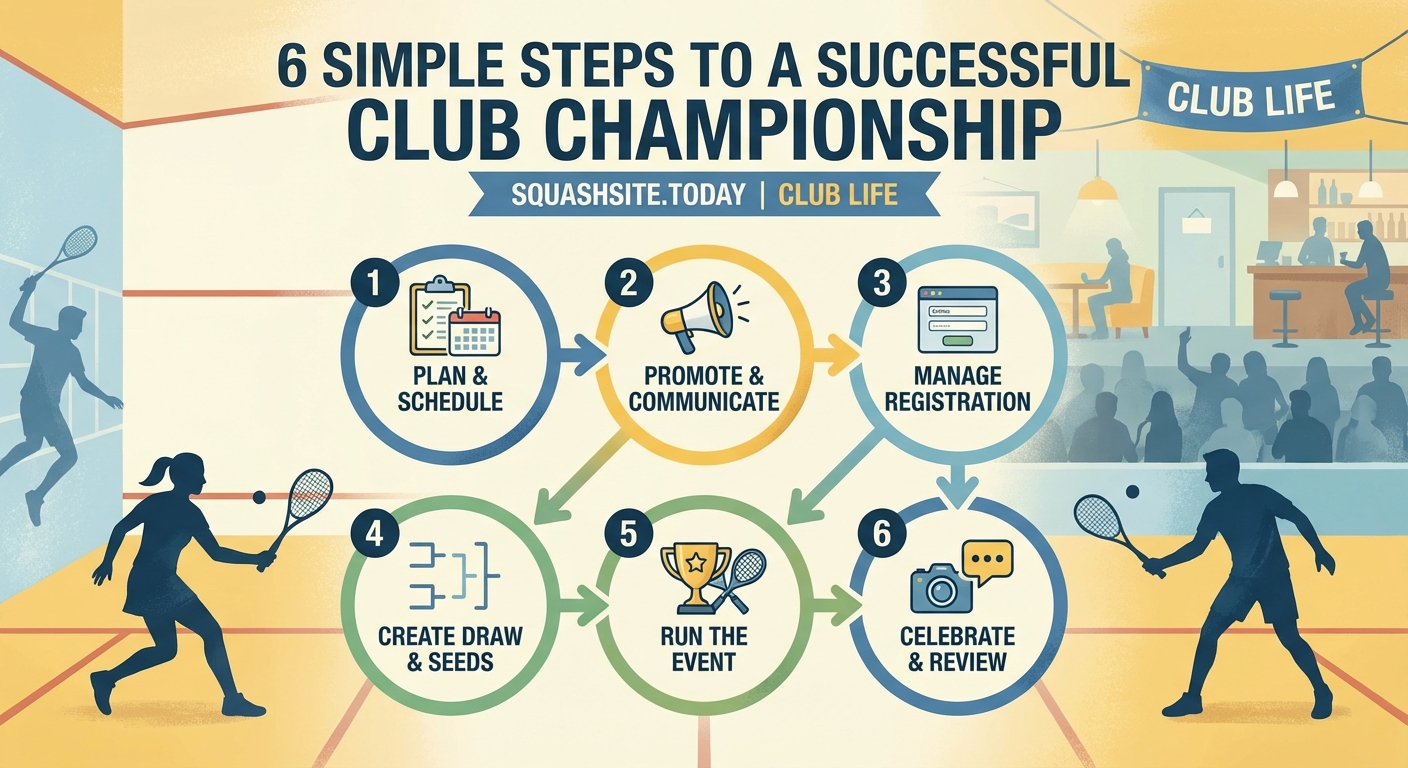
Your timeline determines whether your championship runs smoothly or turns into a scheduling nightmare. Work backwards from your final date.
A typical club championship needs 6 to 8 weeks from first round to finals. Add another 2 to 3 weeks before that for promotion and entries. You’re looking at 10 weeks minimum from announcement to trophy presentation.
Here’s a proven timeline structure:
- Week 1-2: Announce tournament, open entries, promote across all channels
- Week 3: Close entries, seed players, create draws
- Week 4: Publish draws, communicate match deadlines
- Week 5-10: Run matches with clear weekly deadlines
- Week 11: Finals weekend with spectators and presentations
Choose your dates carefully. Avoid school holidays when families disappear. Steer clear of major sporting events that compete for attention. Check your local calendar for conflicting tournaments at neighbouring clubs.
Build buffer time into every round. Players miss deadlines. Courts get double-booked. Someone always needs a reschedule. Give each round 10 to 14 days rather than 7. The extra breathing room saves endless headaches.
Set absolute deadlines for each round, but also set soft reminders three days before. Most players need that gentle nudge.
Secure Courts and Manage Bookings Efficiently
Court availability makes or breaks your championship. Calculate how many matches you need to run and how many court hours that requires.
A 32-player knockout draw needs 31 matches total. If each match takes 90 minutes including warm-up and court turnover, you need 46.5 hours of court time. Spread that across 6 weeks and you need roughly 8 hours per week.
Can your club provide that alongside normal bookings? If not, you have three options:
- Reserve specific time slots exclusively for championship matches
- Allow players to book any available court and report results
- Run dedicated tournament evenings with multiple courts
The third option creates the best atmosphere. Block out Tuesday and Thursday evenings, run four matches simultaneously, and suddenly you have spectators, energy, and club members actually watching each other play.
| Booking Method | Advantages | Challenges |
|---|---|---|
| Reserved slots | Predictable, easy to manage | Reduces normal booking availability |
| Player-arranged | Flexible, minimal admin | Harder to track, more deadline extensions |
| Tournament evenings | Creates atmosphere, efficient | Requires volunteer coordinators |
Use a shared online calendar or booking system that shows match schedules, results, and upcoming deadlines. Google Sheets works fine. Dedicated tournament software works better but costs money.
Assign a volunteer to chase overdue matches. This role matters more than you think. One person sending friendly reminders keeps the entire tournament on track.
Promote Your Championship Across Every Channel
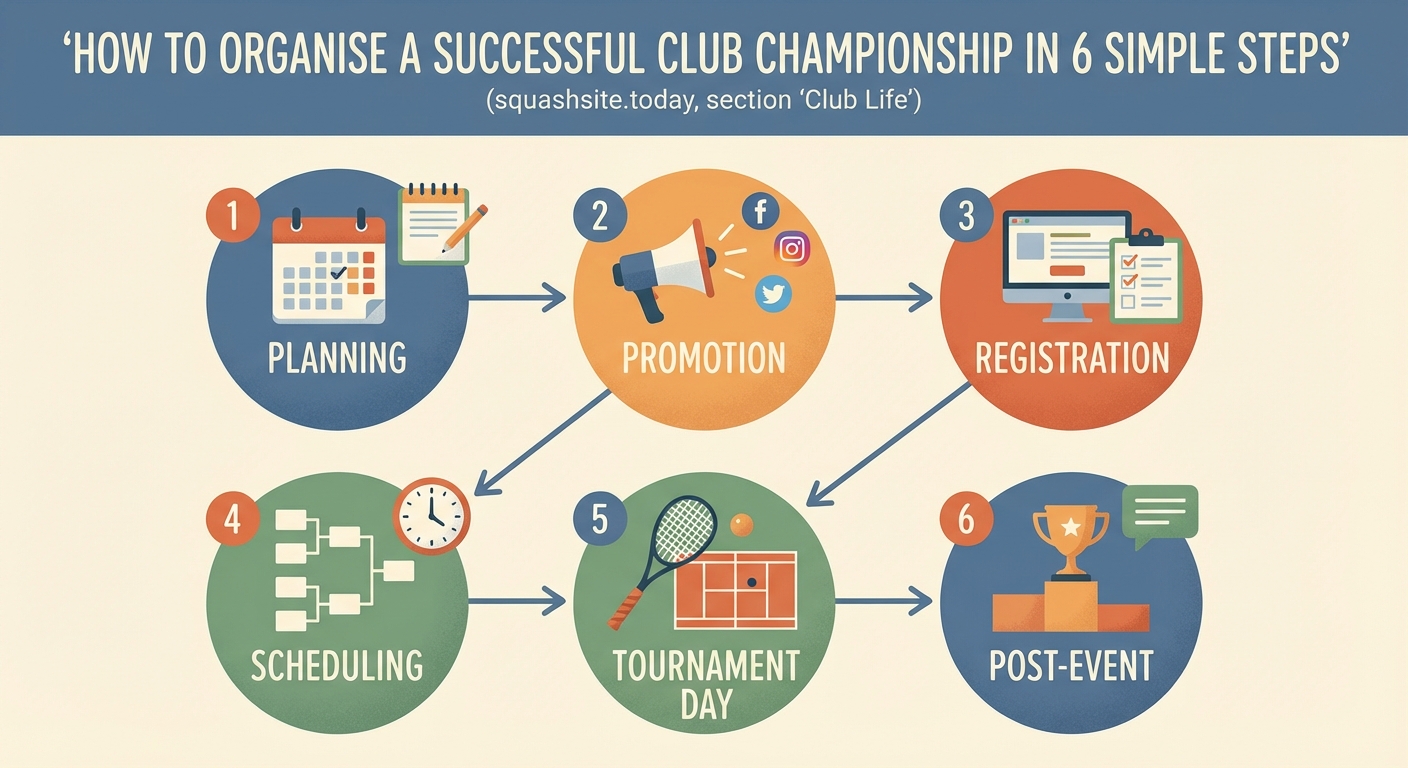
Your championship only succeeds if people actually enter. Start promoting three weeks before entries open, not three days.
Use every communication channel your club has:
- Club noticeboards with physical posters
- Email newsletters with clear entry instructions
- WhatsApp groups for instant reach
- Social media posts with engaging visuals
- Announcements during league nights
Create a simple one-page flyer that answers five questions: What is it? When is it? Who can enter? How much does it cost? How do I sign up?
Make entry dead simple. Online forms work best. Paper forms at reception work too. The harder you make it, the fewer entries you get.
Target specific players personally. If you want a strong A division, message your top 10 players individually. If you need more entries in C division, speak to newer members during their regular court time. Personal invitations work better than general announcements.
Build excitement by highlighting past champions, sharing photos from previous years, and talking up the prizes. People enter tournaments that feel like events, not administrative exercises.
Consider offering early bird discounts for entries in the first week. This gives you numbers early and helps with draw planning.
Execute Match Day Operations Smoothly
Tournament day operations separate good championships from chaotic ones. The details matter.
Provide fresh balls for every match. Nothing frustrates players more than being asked to compete for a trophy with dead balls. Budget two new balls per match minimum.
Have a clear system for reporting results. A simple form works: winner’s name, score, date played. Collect these immediately after matches, not three days later when players have forgotten the details.
Assign someone to update draws and communicate results. Players want to know who they play next within hours, not days. Post updated draws in the clubhouse and online.
For finals day, create an event atmosphere:
- Schedule all finals on the same day if possible
- Invite spectators and non-playing members
- Provide refreshments
- Set up seating around the showcase court
- Have someone announce matches and scores
Arrange for a respected club member or committee person to present trophies. Make it feel significant. Take photos. Share them afterwards.
Keep a first aid kit courtside. Have emergency contact numbers for all players. Know where the nearest A&E is. These precautions matter even if you never need them.
Brief all volunteers before the day starts. Everyone should know their role, who to ask if problems arise, and where equipment is stored.
Collect Feedback and Improve for Next Year
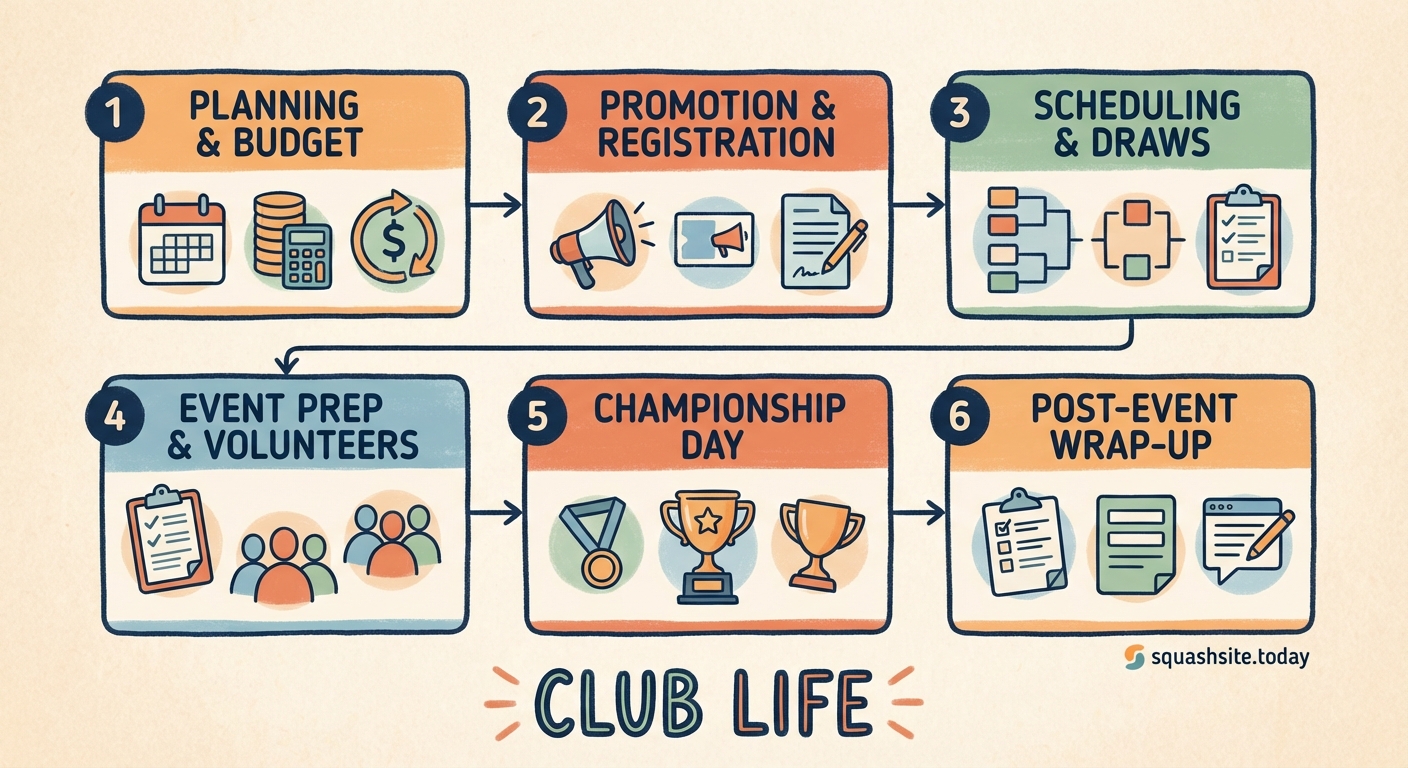
The tournament doesn’t end when you hand out trophies. The best clubs treat each championship as preparation for the next one.
Send a short feedback survey within a week of finals. Keep it to five or six questions:
- What format worked well?
- What would you change?
- Were deadlines reasonable?
- How was communication?
- Would you enter again?
- Any other suggestions?
Actually read the responses. Look for patterns. If five people mention the same issue, it needs addressing next year.
Hold a debrief meeting with your organizing committee. What went smoothly? What caused stress? What would you do differently? Document these insights whilst they’re fresh.
Calculate your actual costs versus entry fees. Did you break even? Make a surplus? Run a deficit? This information shapes next year’s budget.
Archive everything: your timeline, promotional materials, entry forms, draws, results, photos, budget spreadsheet. Future organizers will thank you. You’ll thank yourself when you run it again and can’t remember how you did something.
Review your club etiquette around tournament play. Did any issues arise that need addressing in club guidelines?
Celebrate your volunteers. Public recognition matters. A simple thank you email naming everyone who helped goes further than you think.
Common Pitfalls and How to Avoid Them
Even experienced organizers fall into predictable traps. Here’s what to watch for:
Underestimating time requirements. Championships take more hours than you expect. Budget 20% more time for everything.
Unclear rules about rescheduling. Set a policy before disputes arise. Most clubs allow one reschedule per player per round, but both players must agree and inform the organizer.
Poor seeding creating unbalanced draws. Seed your top 4 or 8 players to prevent them meeting too early. Use recent league results or previous championship performance as your guide.
Forgetting about injured players. Have a clear withdrawal policy. Can players withdraw and get refunds? Until when? What happens to their opponent?
Not planning for walkovers. Some players will withdraw. Some won’t show up. Decide in advance whether opponents advance automatically or you try to reschedule.
Inadequate prize budget. Trophies don’t need to be expensive, but they should feel substantial. Budget £30 to £50 per trophy for something players will actually display.
Ignoring spectator experience. Finals day should feel special. Comfortable seating, good lighting, and visible scoreboards make matches more enjoyable to watch.
Making Your Championship Part of Club Culture
The best club championships become annual traditions that members anticipate. They’re not just tournaments but social events that strengthen your club community.
Consider adding elements beyond pure competition:
- Plate competitions for first-round losers
- Longest rally competitions
- Skills challenges during breaks
- Junior exhibition matches
- Social events after finals
Some clubs theme their championships. Others create perpetual trophies with names engraved annually. These touches transform a tournament into something members remember.
Link your championship to your club’s broader calendar. Perhaps it’s the centrepiece of your season. Maybe it’s the finale before summer. Give it context and meaning within your club’s year.
Encourage your stronger players to support newer members. Match-winning tactics from experienced players can inspire those still developing their game.
Consider how your championship fits with individual player development. Players working on specific technical elements like their forehand drive or court positioning can test improvements under competitive pressure.
Your Championship Starts With One Decision
The gap between thinking about organizing a championship and actually doing it is smaller than it appears. You don’t need perfect systems or unlimited volunteers. You need clear planning, consistent communication, and the willingness to learn as you go.
Start with your format decision this week. Everything else follows from that single choice. Your club has players ready to compete, courts ready to host matches, and a community ready to support the event. The championship they’ll remember starts with the planning you do today.