What Makes a Great Squash Club Captain? Insights from Award-Winning Leaders
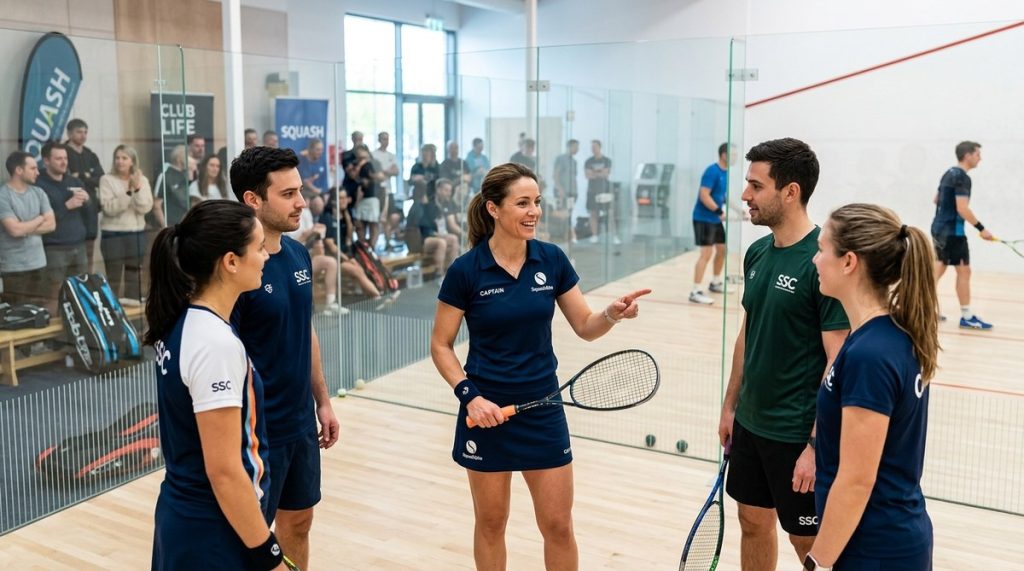
Leading a squash team is nothing like captaining a football side or running a cricket club. There’s no half-time speech, no dugout, and most of the time, your teammates are scattered across different courts or playing in different divisions. The best captains understand this reality and build their leadership around it.
Exceptional squash captains combine clear communication, practical organisation, and genuine care for every team member. They create inclusive environments, manage logistics efficiently, and lead by example on and off the court. The role demands emotional intelligence, administrative competence, and the ability to motivate players of all standards whilst maintaining club culture and competitive spirit throughout the season.
Building the Foundation of Strong Leadership
Great captains recognise that their role extends far beyond simply selecting the team sheet each week. The position requires a blend of administrative efficiency and emotional intelligence that many aspiring leaders underestimate.
Your first responsibility is understanding every player’s ability, availability, and personal circumstances. This means maintaining an up-to-date database of contact details, preferred playing times, work commitments, and injury status. Spreadsheets work well, but many successful captains now use shared documents that team members can update themselves.
Communication sits at the heart of everything you do. Send match confirmations at least three days in advance. Follow up with reminders the day before. Create clear channels for players to report unavailability without guilt or awkwardness. The captains who struggle most are those who assume everyone checks their emails or WhatsApp groups religiously.
Team selection becomes easier when you’ve built trust. Be transparent about your selection criteria. If you’re picking on current form rather than historical performance, say so clearly. If home advantage matters in your decisions, explain why. Players accept difficult selections far better when they understand the reasoning behind them.
The Seven Core Responsibilities Every Captain Must Master
-
Fixture coordination and court booking. Confirm match dates, book courts, and ensure both home and away fixtures have clear directions and parking information. Send venue details to visiting teams at least a week before matches.
-
Team selection and player development. Balance competitive strength with player development opportunities. Give lower-order players chances to move up when form justifies it. Track performance across the season rather than relying on single match results.
-
Match day organisation. Arrive early, ensure courts are available and clean, have spare balls ready, and create a welcoming environment for both teams. Check the heating works in winter and ventilation in summer.
-
Score reporting and league administration. Submit results promptly, update league websites, and maintain accurate records. Many leagues impose penalties for late submissions that can affect final standings.
-
Social coordination and team culture. Organise post-match gatherings, arrange end-of-season events, and create opportunities for players to bond outside competitive fixtures. The strongest teams are those where members genuinely enjoy each other’s company.
-
Conflict resolution and player welfare. Address disputes quickly and fairly, support players dealing with injuries or personal challenges, and maintain confidentiality when team members share sensitive information.
-
Budget management and equipment. Track team funds, collect subscriptions, order team shirts if required, and ensure the club has adequate supplies of balls and basic equipment. Understanding how often players should restring their rackets helps you advise teammates on equipment maintenance.
Communication Strategies That Actually Work
The difference between adequate and exceptional captains often comes down to communication quality rather than tactical knowledge.
Weekly updates keep everyone informed without overwhelming inboxes. Send a brief Sunday evening email covering the week ahead, upcoming fixtures, and any club news. Keep it concise. Three short paragraphs beat a lengthy essay every time.
Create a culture where players feel comfortable saying no. When someone declines a match invitation, respond with understanding rather than guilt. The captains who make players feel bad about unavailability end up with last-minute withdrawals and unreliable commitments.
Individual check-ins matter more than group messages for sensitive topics. If a player’s form has dropped noticeably, call them rather than sending a text. If someone keeps missing matches, find out why privately before making assumptions.
“The best captain I played under never made team selection feel personal. He’d call each player individually to confirm their spot, explain where they were playing, and ask if they had any concerns. That five-minute conversation made everyone feel valued, whether they were playing first string or fifth.” – Club player with 15 years’ experience
Managing Different Player Personalities and Skill Levels
Every team contains a mix of abilities, ambitions, and attitudes. Your job is making them work together effectively.
Competitive players need clear goals and honest feedback. They want to know where they stand, what they need to improve, and how selection decisions get made. Don’t soften criticism with these players – they respect directness.
Social players value inclusion and enjoyment over winning. They still want to compete, but they’re playing primarily for fitness, friendship, and fun. Give them opportunities to contribute beyond match play – organising socials, managing equipment, or mentoring beginners.
Inexperienced players benefit from mentoring and encouragement. Pair them with experienced teammates for practice sessions. Celebrate their improvements publicly. Help them understand basic court positioning and match tactics without overwhelming them with information.
Veterans deserve respect for their experience and past contributions. They might not move as well as they once did, but their tactical knowledge and mental strength often compensate. Find roles that use their strengths – playing crucial home matches where court knowledge matters, or mentoring younger players.
Creating an Inclusive Team Environment
The strongest teams are those where every member feels they belong, regardless of ability or background.
Make newcomers feel welcome immediately. Introduce them to everyone, explain team traditions and expectations, and assign a buddy for their first few weeks. The clubs that retain new members are those that integrate them quickly into the social fabric.
Gender balance requires conscious effort in mixed teams. Ensure women feel as valued and included as men. Challenge casual sexism immediately. Create opportunities for female players to captain matches or take leadership roles within the team structure.
Age diversity strengthens teams when managed well. Younger players bring energy and athleticism. Older players contribute experience and tactical awareness. Foster mentoring relationships that benefit both groups.
Different skill levels can train together productively. Organise practice sessions where stronger players work on specific technical elements whilst helping weaker players improve basics. Everyone gains from this approach.
Practical Organisation and Administrative Excellence
Strong administrative systems free you to focus on leadership rather than constant firefighting.
| Task | Frequency | Best Practice |
|---|---|---|
| Team availability check | Weekly | Sunday evening for following week |
| Match confirmation | 3 days before | Include court number, time, opponent details |
| Result submission | Within 24 hours | Take photo of scoresheet as backup |
| Financial records | Monthly | Simple spreadsheet with all income/expenses |
| Equipment inventory | Quarterly | Check ball stock, first aid kit, spare grips |
Digital tools make organisation easier but only if everyone uses them. Choose platforms your team actually checks. A WhatsApp group works better than a sophisticated app nobody opens.
Delegate administrative tasks to willing volunteers. Someone who enjoys spreadsheets can manage the budget. A player with design skills can create team newsletters. A naturally social member can coordinate post-match gatherings. You don’t need to do everything yourself.
Build systems that survive your eventual departure. Document processes, maintain shared files, and train potential successors throughout your tenure. The mark of a truly great captain is a team that continues thriving after they step down.
Leading by Example On and Off Court
Your behaviour sets the tone for the entire team.
Arrive early for every match, home and away. Your punctuality signals that you take the role seriously and respect everyone’s time. Players notice when captains consistently turn up late or unprepared.
Demonstrate good sportsmanship regardless of match circumstances. Congratulate opponents on good shots. Accept referee decisions without argument. Lose gracefully and win modestly. Your team mirrors your behaviour more than they follow your words.
Maintain fitness and playing standards. You don’t need to be the strongest player, but you should be someone who clearly works on their game. Understanding proper footwork fundamentals and training structure helps you guide teammates effectively.
Support teammates during difficult matches. Offer encouragement between games. Provide tactical advice when asked. Your presence courtside during tight matches shows you’re invested in their success.
Handling Conflict and Difficult Conversations
Every captain faces disputes, complaints, and uncomfortable situations. Your response determines whether issues resolve or escalate.
Address problems early before they fester. If two players clash during a match, speak with both separately within 24 hours. Waiting rarely improves situations and often makes them worse.
Listen more than you speak during conflicts. Let each party explain their perspective fully before offering solutions. Many disputes resolve simply because people feel heard and understood.
Stay neutral when mediating between teammates. Your role is facilitating resolution, not taking sides. Even if you privately agree with one party, maintain impartiality publicly.
Know when to escalate issues beyond your authority. Serious misconduct, safeguarding concerns, or disputes involving club officials require committee involvement. Don’t try handling everything alone.
Building Team Culture and Social Connections
Winning matches matters, but sustainable success requires genuine team cohesion.
Post-match gatherings strengthen bonds more than any team talk. Whether it’s drinks at the club bar or coffee at a nearby café, creating space for informal conversation builds relationships that translate to better on-court support.
Celebrate milestones and achievements publicly. Acknowledge personal bests, first match wins, and significant birthdays. Small gestures of recognition create positive team culture.
Create traditions that give your team identity. Perhaps you always play a particular warm-up song before home matches. Maybe you have a travelling trophy for the most improved player each month. These shared rituals build belonging.
Include families when appropriate. End-of-season barbecues, club championships, or social tournaments become more memorable when partners and children can participate. Teams that know each other’s families develop stronger bonds.
Developing Future Leaders Within Your Team
Great captains prepare their successors rather than clinging to power.
Identify potential future captains early. Look for players who naturally help others, communicate well, and show genuine interest in the team’s welfare beyond their personal performance.
Give leadership opportunities to promising candidates. Ask them to captain individual matches, organise specific events, or manage particular aspects of team administration. This builds confidence and reveals who’s genuinely suited to the role.
Share your knowledge openly. Explain your decision-making processes, show them your organisational systems, and discuss challenges you’ve faced. Transparency helps future leaders avoid repeating your mistakes.
Step back gradually rather than suddenly. When you decide to move on, support your successor through their first season. Be available for advice without interfering or undermining their authority.
The Qualities That Separate Good Captains from Great Ones
Technical squash knowledge matters less than you might think. Plenty of excellent captains were never the strongest players. The qualities that truly distinguish exceptional leaders are:
Emotional intelligence. Reading team dynamics, understanding individual motivations, and responding appropriately to different personalities creates cohesion that talent alone cannot achieve.
Reliability. Doing what you promise, when you promise, builds trust. Teams forgive tactical errors far more readily than broken commitments or poor organisation.
Adaptability. Rigid captains struggle when circumstances change. The best leaders adjust their approach based on team needs, opponent strength, and evolving situations.
Genuine care. Players know whether you truly care about their development and wellbeing or simply see them as tools for winning matches. Authentic concern cannot be faked successfully.
Humility. Admitting mistakes, seeking advice, and crediting others for successes creates an environment where everyone can grow. Ego-driven captains build resentment rather than loyalty.
Understanding what makes effective coaching helps you recognise that leadership in squash shares many principles with teaching the sport.
Common Mistakes That Undermine Captain Effectiveness
Even experienced captains fall into predictable traps.
Playing favourites destroys team morale faster than any other mistake. If players perceive that selection depends on friendship rather than form or suitability, you’ve lost their trust permanently.
Over-communicating exhausts your team. Sending daily messages about minor details trains people to ignore your communications. Save frequent contact for genuinely important information.
Under-communicating leaves players confused and frustrated. If your team regularly asks basic questions about fixtures, times, or expectations, you’re not providing enough information.
Avoiding difficult decisions creates bigger problems later. Dropping an underperforming player is uncomfortable, but leaving them in the team whilst privately complaining about their form is worse.
Taking criticism personally prevents improvement. When players offer feedback about team management, treat it as valuable information rather than personal attack.
Neglecting your own game whilst focusing entirely on captaincy eventually undermines your credibility. Maintain your playing standards even whilst managing team responsibilities.
Measuring Success Beyond the Win Column
League position matters, but it’s not the only metric of effective captaincy.
Team retention rates reveal satisfaction levels. If players keep returning season after season, you’re creating an environment people value. High turnover suggests problems.
New member integration shows inclusivity. When newcomers quickly become regular contributors who invite friends to join, your team culture is healthy.
Player development demonstrates long-term thinking. Are lower-order players improving? Do beginners progress to competitive standards? Growth matters more than immediate results.
Social engagement indicates genuine community. Strong attendance at non-playing events suggests you’ve built something beyond just a competitive team.
Successor readiness proves sustainable leadership. If multiple team members could confidently step into the captain’s role, you’ve developed leadership depth that ensures continuity.
Resources and Support Networks for Squash Captains
You don’t need to figure everything out alone.
Connect with captains from other teams in your league. They face similar challenges and often have solutions to problems you’re encountering. Most are happy to share advice over a post-match drink.
Use your club committee as a resource. They’ve likely supported numerous captains and can offer institutional knowledge about what works in your specific environment.
League administrators can clarify rules, provide templates for common documents, and explain best practices for fixture management and result reporting.
National governing bodies often publish captain handbooks and run occasional training sessions. These resources cover everything from basic administration to advanced team management.
Online forums and social media groups connect squash captains globally. Whilst contexts differ, many leadership principles translate across countries and competition levels.
Making the Role Sustainable for Yourself
Captain burnout benefits nobody. Protecting your own wellbeing ensures you can lead effectively.
Set clear boundaries about availability. You don’t need to respond to messages immediately at all hours. Establish communication windows and stick to them.
Take breaks when needed. If you’re struggling with work, family, or health challenges, it’s fine to ask someone to cover specific matches or administrative tasks temporarily.
Celebrate your own achievements. Captaincy involves constant problem-solving with little recognition. Acknowledge when you’ve handled difficult situations well or organised successful events.
Know when to step down. If the role stops being enjoyable or becomes overwhelming despite support, moving on gracefully serves everyone better than struggling through another season.
Your Team Needs You to Be Human, Not Perfect
The captains who make the biggest impact aren’t those who never make mistakes. They’re the ones who care deeply, communicate honestly, and create environments where everyone feels valued.
You’ll forget to send a confirmation email. You’ll make a selection decision that upsets someone. You’ll organise an event that nobody attends. These mistakes don’t define your captaincy unless you repeat them consistently or refuse to learn from them.
What matters is showing up consistently, treating people fairly, and maintaining genuine enthusiasm for both the sport and your team. When players look back on their time under your leadership, they’ll remember how you made them feel far more clearly than they’ll recall your win-loss record.
Start with the basics. Communicate clearly, organise efficiently, and care genuinely. Everything else builds from that foundation. Your team doesn’t need a tactical genius or administrative wizard. They need someone reliable who creates an environment where everyone can enjoy their squash whilst striving to improve.
The role offers unique rewards. You’ll watch players develop skills they didn’t know they possessed. You’ll build friendships that extend far beyond the court. You’ll create memories that last long after the final match of the season. That’s what makes a great squash captain – not perfection, but presence, care, and commitment to something larger than individual achievement.