Building a Sustainable Coaching Business Within Your Local Squash Club
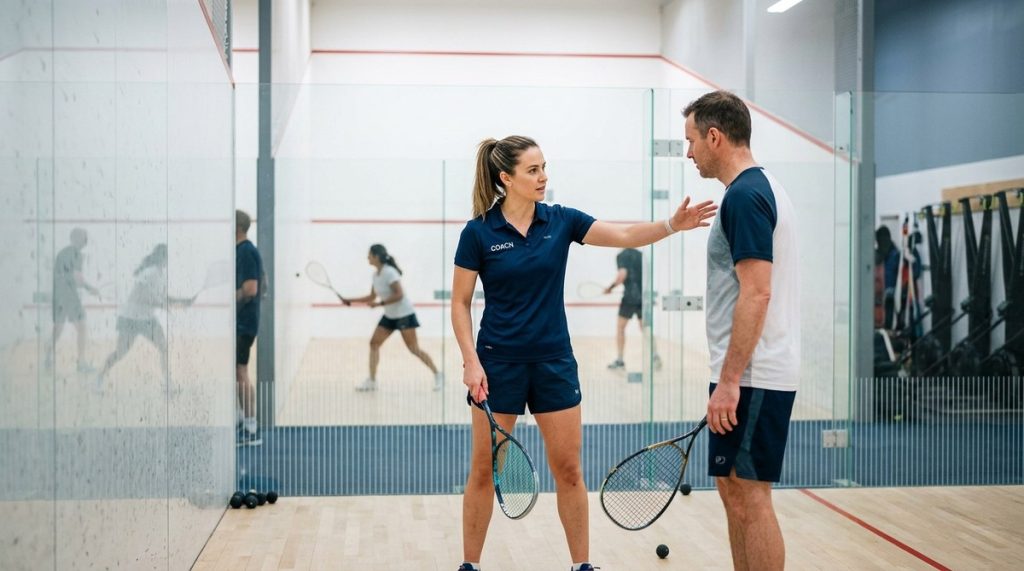
Building a coaching business inside your local squash club isn’t about renting a court and hoping players show up. It’s about creating a structured, sustainable practice that serves the club community whilst generating reliable income for you. Most coaches start with enthusiasm but lack the business framework to turn court time into a thriving operation.
Successful club coaching businesses combine clear service packages, strategic pricing, consistent scheduling, and strong relationships with club management. Start with a defined niche, build credibility through results, establish predictable revenue streams, and scale through group programmes. Focus on retention over acquisition, and align your offerings with what the club actually needs rather than what you want to teach.
Understanding the Club Coaching Landscape
Your squash club already has an ecosystem. Members have established routines, social dynamics, and expectations about coaching services.
Before you print business cards, spend time observing.
Watch who books courts during peak hours. Notice which players arrive early to practise solo. Identify the juniors who show up for club nights but lack structured development.
These observations reveal gaps you can fill.
Most clubs fall into one of three categories. Traditional members’ clubs prioritise social play and league matches. Performance-focused clubs attract competitive players seeking ranking improvements. Community clubs serve families and beginners looking for accessible sport.
Your business model must match the club type.
A members’ club with an ageing demographic needs different services than a performance hub filled with ambitious juniors. Trying to force elite training programmes into a social club wastes everyone’s time.
Club management holds the keys to your success. They control court access, member communications, and facility policies.
Build that relationship first.
Creating Your Service Structure
Generic “squash coaching” doesn’t sell. Players need to understand exactly what they’re buying and what outcome to expect.
Structure your offerings around clear results.
Here’s a framework that works across most club environments:
- Assessment sessions (single 45-minute evaluation)
- Technique packages (6-week blocks focused on specific shots)
- Match preparation (pre-tournament intensive work)
- Group programmes (structured courses for similar abilities)
- Junior development pathways (term-based progression)
Each service solves a specific problem. Assessment sessions attract curious players who aren’t ready to commit. Technique packages appeal to intermediate players stuck on particular weaknesses. Match preparation serves competitive members before important fixtures.
Group programmes generate your most reliable income. They fill courts efficiently, create peer accountability, and reduce your per-hour workload.
A single group of six players generates more revenue than three individual sessions whilst using the same court time.
Price strategically, not emotionally.
Research what other coaches charge locally, then position yourself based on experience and results. New coaches should price competitively but not desperately. Established coaches with proven track records can command premium rates.
| Service Type | Duration | Ideal For | Revenue Model |
|---|---|---|---|
| Individual sessions | 45-60 min | Players wanting personalised attention | Per session or block booking |
| Small group (2-4) | 60 min | Friends or similar-level players | Shared cost, higher total revenue |
| Squad training (5-8) | 90 min | Junior development or adult improvers | Monthly subscription or term fee |
| Workshops | 2-3 hours | Specific skill focus | One-off premium pricing |
Avoid the trap of endless individual lessons. They’re time-intensive, limit your earning potential, and create dependency rather than independence.
Your goal is teaching players to improve themselves, not making them reliant on you forever.
Building Your Initial Client Base
Nobody knows you’re available for coaching unless you tell them. Repeatedly.
Start with the club noticeboard. A simple, well-designed poster with clear contact information and your coaching credentials works better than elaborate marketing.
Include a specific offer for first-timers. “Free 15-minute swing assessment” or “First group session half price” removes the barrier to trying your services.
Club nights and social sessions provide natural networking opportunities. Show up, play friendly matches, offer casual tips without being pushy.
People hire coaches they like and trust.
If your club runs internal leagues, volunteer to help organise or referee. This visibility positions you as someone invested in the community, not just extracting money from it.
Offer to run a free workshop on a popular topic. “Improving your serve return” or “Footwork fundamentals for club players” attracts curious members and demonstrates your teaching ability.
One successful workshop can generate three months of bookings.
Partner with club management to create a “new member coaching package.” Many clubs struggle to retain beginners who join enthusiastically but quit after a few frustrating sessions.
A subsidised three-session introduction for new members solves the club’s retention problem whilst building your pipeline.
Target specific groups strategically. Junior programmes create long-term relationships and steady term-time income. Adult beginners need patient teaching but often become loyal clients. Competitive players demand results but pay premium rates and refer others.
You can’t serve everyone equally well at the start.
Choose one segment, establish credibility, then expand.
Scheduling for Sustainability
Random availability kills coaching businesses. Players need predictable slots they can plan around.
Block out your coaching hours like a professional.
Identify the club’s peak demand periods. Early mornings before work, lunchtimes, and weekday evenings typically fill fastest. Weekend mornings attract juniors and families.
Claim consistent time slots and protect them fiercely.
A coach available “whenever” appears less professional than one with structured hours. Scarcity creates value. “I have Tuesday evenings at 7pm and Thursday mornings at 9am available” sounds more established than “I can do anytime that suits you.”
Build your schedule in blocks. Group similar services together. Junior squads on Saturday mornings. Adult improver groups on Wednesday evenings. Individual sessions during off-peak daytime hours.
This structure maximises court efficiency and reduces your mental switching costs.
“The coaches who succeed long-term treat their club hours like a business, not a hobby. They show up consistently, honour commitments, and build routines that players can depend on. Reliability matters more than brilliance.” – Club coaching consultant with 15 years’ experience
Leave buffer time between sessions. Back-to-back coaching with no breaks leads to exhausted, ineffective teaching.
Fifteen minutes between bookings allows for overruns, equipment adjustments, and mental reset.
Create a simple booking system. A shared Google Calendar, a WhatsApp Business account, or basic scheduling software like Calendly prevents double-bookings and miscommunications.
Professional systems build trust.
Establish clear cancellation policies from day one. “24 hours’ notice required or full session fee applies” protects your income and teaches players to respect your time.
Enforce it consistently, even with friendly members.
Developing Programmes That Retain Players
One-off sessions generate income. Structured programmes build businesses.
The difference lies in commitment and progression.
Design programmes around measurable improvement over 6-12 weeks. “Mastering your volley” works better than “general coaching.” Specific outcomes create clear value and justify ongoing investment.
Here’s a proven six-week structure:
- Week 1: Assessment and baseline establishment
- Week 2-3: Technique breakdown and correction
- Week 4-5: Pressure application and match simulation
- Week 6: Reassessment and next-step planning
This format gives players visible progress whilst naturally leading to programme renewal.
Create tiered junior pathways. Beginners need fun, games-based introduction to basic skills. Intermediate juniors want competitive opportunities and tactical development. Advanced juniors require intensive training and tournament preparation.
Clear progression motivates continued participation.
Adult programmes work differently. Most adult players juggle work, family, and other commitments. They need flexible options and social connection alongside improvement.
An eight-week “Monday night improvers” group that meets consistently builds community. Players commit to the term, create friendships, and often continue together for years.
That’s sustainable income.
Include periodic testing or internal competitions. A monthly “skills challenge” or end-of-term round-robin tournament gives players goals beyond just showing up.
Gamification maintains engagement.
Offer programme graduates a clear next step. “You’ve completed the intermediate course, here’s the advanced option” prevents drop-off after successful completion.
Always have an answer to “what’s next?”
Managing the Club Relationship
Your coaching business lives inside someone else’s facility. That relationship requires careful management.
Understand what the club wants from you. Most seek increased member engagement, improved retention, and enhanced reputation. Some want direct revenue share. Others prioritise member satisfaction over profit.
Align your offerings with their goals.
Propose a formal coaching agreement. This document should cover court access, payment handling, member communication permissions, insurance requirements, and exclusivity arrangements.
Written agreements prevent misunderstandings.
Many clubs operate informal coaching arrangements that work until they don’t. A new committee member questions your court access. Another coach appears and undercuts your prices. Clear agreements protect both parties.
Contribute beyond paid coaching. Volunteer for club events, help with junior open days, offer free taster sessions during membership drives.
This investment builds goodwill that pays dividends when you need flexibility or support.
Keep club management informed about your programmes. Monthly updates about participant numbers, member feedback, and upcoming initiatives demonstrate professionalism and maintain visibility.
Out of sight means out of mind.
If the club takes a percentage of coaching fees, track and report transparently. Provide simple monthly summaries showing session counts and revenue splits.
Trust erodes quickly over money disputes.
Respect club policies religiously. Court booking procedures, facility care, and member conduct rules apply to you even more strictly than regular members.
You represent the club’s coaching standards.
Handle member complaints immediately and professionally. A player unhappy with your teaching shouldn’t complain to the club committee first. Create direct feedback channels and address issues before they escalate.
Your reputation and the club’s are linked.
Pricing Strategies That Work
Underpricing damages your business and devalues coaching generally. Overpricing limits access and creates resentment.
Find the middle ground through testing.
Start with market research. Contact three coaches at similar clubs in your region. Ask about their rates for individual, small group, and squad sessions.
This establishes the local baseline.
Consider your credentials honestly. A Level 1 qualified coach with two years’ experience shouldn’t charge the same as a Level 3 coach with a decade of competitive playing history.
Price reflects value, and value includes expertise.
Package pricing encourages commitment. A single session might cost £35, but a six-session block at £180 (£30 per session) incentivises advance purchase.
Players get a discount, you get guaranteed bookings.
Group rates should reflect the value to participants, not just your convenience. Four players in a group session shouldn’t each pay 25% of your individual rate.
They’re getting less personal attention, but the group dynamic adds different value.
A fair structure: individual £40, pair £25 each, group of four £18 each. Your revenue increases (£72 vs £40) whilst players save money and enjoy social learning.
Everyone wins.
Create premium options for players wanting intensive development. A “tournament preparation package” with video analysis, personalised training plans, and on-demand messaging commands higher rates than standard court sessions.
Some players will always pay more for excellence.
Offer scholarship or reduced-rate places for talented juniors from families who can’t afford full fees. This investment in potential creates loyalty, generates success stories, and builds your reputation.
One scholarship player who reaches county level is worth more than the foregone revenue.
Review pricing annually. Your costs increase, your experience grows, and your results improve.
Stagnant pricing signals stagnant value.
Marketing Within Your Club Community
Traditional marketing feels awkward in club environments. Nobody wants the pushy coach constantly selling.
Effective club marketing is subtle, consistent, and value-focused.
Monthly skills clinics on specific topics attract interest without hard selling. “Free drop shot workshop this Saturday” brings players who experience your teaching and often book follow-up sessions.
Demonstrate value before asking for payment.
Create a simple email newsletter for interested members. Share training tips, technique breakdowns, and programme updates monthly.
Valuable content builds authority and keeps you visible.
Use the club’s communication channels appropriately. Most clubs have member WhatsApp groups, Facebook pages, or email lists. Contribute helpful content regularly, promote your services occasionally.
The ratio matters. Ten valuable contributions for every promotional post.
Success stories work better than credentials. “Sarah improved her league ranking from Division 3 to Division 1 after our 12-week programme” resonates more than “I’m a Level 3 qualified coach.”
Results speak louder than qualifications.
Encourage satisfied clients to refer friends. A simple “Refer someone and you both get a free session” creates natural growth through trusted recommendations.
Word of mouth remains the most powerful marketing in club environments.
Partner with the club pro shop if one exists. Display your programme information near the counter, offer joint promotions, or run equipment demo sessions that include coaching tips.
Collaborative marketing expands reach without extra cost.
Document your coaching visually. Photos of group sessions (with permission), short video tips, or before-and-after technique comparisons create engaging content for club social media.
Visual proof builds credibility faster than text descriptions.
Participate actively in club competitions and social events. The coach who only appears for paid sessions feels transactional. The coach who plays in club leagues and socialises afterwards becomes part of the community.
Community members support each other’s businesses.
Common Mistakes That Sink Club Coaching Businesses
Learning from others’ failures saves years of frustration.
Here are the patterns that consistently destroy promising coaching operations:
Inconsistent availability kills momentum. Players book a few sessions, see improvement, then can’t find you for three weeks. They lose motivation and never return.
Consistency matters more than perfection.
Overcommitting early leads to burnout. You’re enthusiastic, say yes to every request, and suddenly you’re coaching 40 hours weekly with no time for planning or personal development.
Start sustainable, then scale carefully.
Ignoring the business side creates chaos. No booking system, unclear pricing, forgotten sessions, and awkward payment conversations damage your professional image.
Simple systems prevent most problems.
Teaching what you want instead of what players need frustrates everyone. You love teaching the reverse angle boast, but your intermediate group needs better length and court positioning.
Serve their needs, not your preferences.
Competing with the club instead of complementing it creates conflict. Organising private tournaments that compete with club events or recruiting players away from club teams makes enemies of potential allies.
Support the club’s success and yours will follow.
Failing to document progress means players can’t see their improvement. Without visible results, they question the value of continued coaching.
Simple progress tracking validates your work and justifies ongoing investment.
Neglecting your own development stagnates your teaching. The game evolves, new training methods emerge, and better coaches constantly learn.
Invest in your own improvement as seriously as you expect players to invest in theirs.
| Mistake | Why It Happens | How to Avoid It |
|---|---|---|
| Inconsistent scheduling | Treating coaching as side income | Block dedicated hours, honour commitments |
| Underpricing | Fear of losing clients | Research market rates, value your expertise |
| No progression plan | Focusing on individual sessions | Design structured programmes with clear outcomes |
| Poor communication | Assuming players understand | Confirm bookings, send reminders, follow up |
| Ignoring feedback | Defensive about teaching methods | Ask for input, adjust based on results |
The coaches who survive their first two years avoid these traps through planning, not luck.
Expanding Beyond Individual Sessions
Individual coaching has a ceiling. You can only teach so many hours before exhaustion sets in.
Sustainable growth requires leveraging your time differently.
Group programmes scale your impact and income. One 90-minute session with eight players generates more revenue than two individual sessions whilst teaching valuable group dynamics.
Players often learn faster in groups through peer observation and friendly competition.
Create tiered group offerings. Beginners need basics and encouragement. Intermediate players want tactical development and match practice. Advanced groups require intensive drills and competitive pressure.
Different groups serve different needs and price points.
Video analysis services add value without court time. Players record their matches, you provide detailed feedback and improvement plans for a flat fee.
This remote coaching extends your reach beyond physical availability.
Online resources complement court coaching. A private members’ area with drill libraries, tactical guides, and training plans keeps players engaged between sessions.
Monthly subscription models create predictable recurring revenue.
Workshops and masterclasses command premium pricing. A three-hour “mastering the short game” intensive with limited spaces creates urgency and justifies higher fees than regular sessions.
Special events break the routine and attract different participants.
Partner with other coaches for larger programmes. A summer holiday camp needs multiple coaches. Joint adult retreats or tournament preparation weekends spread the workload whilst expanding your offering.
Collaboration beats competition in club environments.
Corporate coaching represents untapped opportunity in many clubs. Local businesses often seek team-building activities or executive fitness programmes.
A tailored corporate offering generates bulk bookings and introduces new players to the club.
Consider assistant coaches or trainee arrangements as you grow. Bringing on help allows you to serve more players whilst developing the next generation of coaches.
Your business becomes bigger than just you.
Measuring Success and Making Adjustments
You can’t improve what you don’t measure. Simple tracking reveals what’s working and what’s wasting time.
Track these metrics monthly:
- Number of active coaching clients
- Revenue per court hour
- Programme completion rates
- Client retention after first package
- Referral sources for new clients
- Court utilisation during your booked slots
These numbers tell your business story.
A declining completion rate signals programmes that lose momentum. Low retention after first packages suggests mismatched expectations or poor results. Empty courts during booked slots mean scheduling doesn’t match demand.
Data guides decisions better than intuition.
Survey participants after programme completion. Three simple questions provide actionable feedback:
- What improved most during this programme?
- What would have made it more valuable?
- Would you recommend this to other club members?
Anonymous feedback reveals truths people won’t say directly.
Review your schedule quarterly. Which time slots fill consistently? Which remain empty? Where’s the waiting list forming?
Adjust availability to match actual demand, not assumed demand.
Test pricing changes carefully. Raise rates for new clients whilst honouring existing commitments. Monitor booking rates for six weeks before concluding whether the change works.
Small, measured adjustments beat dramatic overhauls.
Celebrate milestones with your coaching community. When a player achieves a ranking goal, wins their league division, or masters a difficult technique, acknowledge it publicly (with permission).
Success stories attract more participants and remind current clients why they’re investing.
Compare your year-over-year growth. Are you coaching more players than last year? Generating more revenue? Receiving better feedback?
Progress isn’t always linear, but the trend should point upward.
Building Long-Term Sustainability
The first year establishes your presence. The second year proves your value. The third year builds true sustainability.
Long-term success requires thinking beyond next week’s bookings.
Develop signature programmes that become known club features. “The summer junior academy” or “Monday night improvers” create traditions that outlast individual participants.
Established programmes generate their own momentum through reputation.
Build relationships with local schools and junior clubs. Becoming the recommended coach for young players entering your club creates a steady pipeline of new participants.
Youth development today is your business foundation tomorrow.
Stay current with coaching education. Attend workshops, pursue higher qualifications, and learn from coaches in other sports.
Stagnant skills lead to stagnant businesses.
Create passive income streams related to your expertise. An e-book on club-level tactics, training plan templates, or drill libraries generates income whilst you sleep.
Digital products scale infinitely without additional time investment.
Develop relationships with equipment suppliers. Racket companies, shoe manufacturers, and training aid developers often support coaches who recommend their products.
Affiliate partnerships and sponsored equipment reduce your costs whilst adding credibility.
Plan for inevitable quiet periods. Summer holidays, December festivities, and school exam periods affect participation. Build financial reserves during busy months to cover slower times.
Sustainable businesses weather seasonal variations.
Consider your exit strategy from day one. Will you eventually sell this business to another coach? Transition it to an employee? Wind it down when you retire?
Understanding your end goal shapes your building decisions.
Your Coaching Business Starts With One Session
The difference between aspiring coaches and successful ones isn’t talent or qualifications. It’s taking the first practical step.
You don’t need perfect systems, a full schedule, or complete confidence. You need one player willing to try a session and a commitment to delivering genuine value.
Start with the club members you already know. Offer a specific, results-focused programme. Deliver it professionally. Ask for feedback. Improve. Repeat.
The business builds itself through consistent, valuable service to your club community. Every successful coaching operation started exactly where you are now.
Your club already has players who need what you offer. They’re waiting for someone to provide structured, reliable coaching that fits their goals and schedule.
That someone can be you. Starting today.