Do Squash Racket Vibration Dampeners Really Make a Difference?
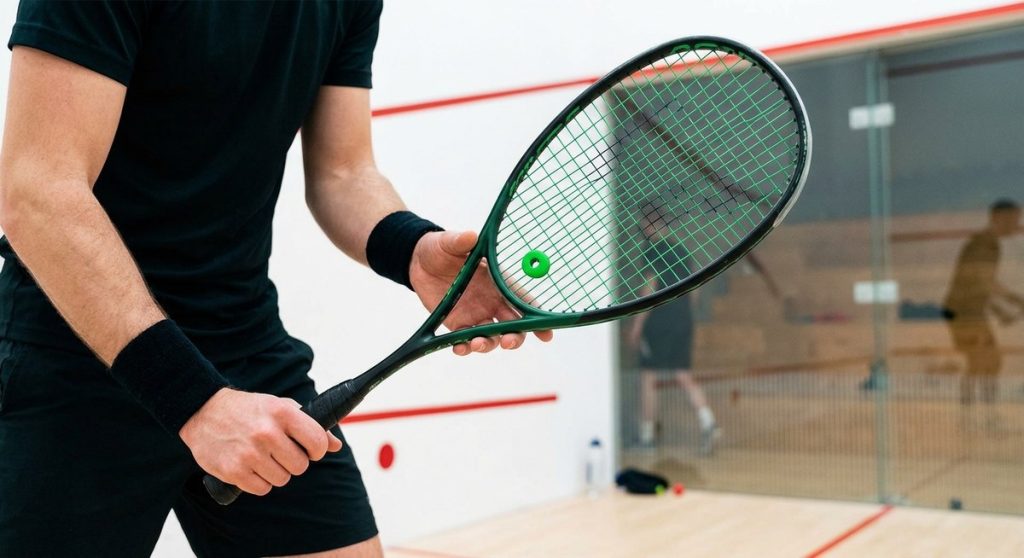
You have probably seen them. Those tiny rubber buttons wedged between the strings near the racket throat. Some players swear by them. Others think they are a gimmick. Vibration dampeners are common in tennis, but their role in squash is less understood. If you have been wondering whether they actually make a difference to your game, you are not alone. Let us cut through the noise and look at what these gadgets can and cannot do for your squash racket performance.
Squash vibration dampeners mainly alter the sound and feel of your shot, not the actual vibration transmitted to your arm. They can make the racket feel softer and reduce the high pitched ping, but they will not prevent tennis elbow or other injuries. The best way to decide is to try one yourself. If you like the muted response, great. Just do not expect a cure for arm pain.
What a Vibration Dampener Actually Does
A vibration dampener is a small insert, usually made of silicone or rubber, that sits between the strings just behind the bridge of the racket head. Its purpose is to absorb the high frequency vibration of the strings after impact. When you hit the ball, the strings oscillate like a plucked guitar string. That oscillation creates the familiar ping sound. The dampener stops those oscillations more quickly, which changes the acoustic feedback.
In squash, the effect is more subtle than in tennis because the racket head is smaller and the string bed is denser. But the principle remains the same. The dampener does not reduce the shock of the ball hitting the frame. It only affects what happens to the strings after the ball leaves them.
The Difference Between String Vibration and Frame Shock
This is where most confusion lives. Players often lump together two different things: the vibration of the strings and the shockwave that travels through the frame into your hand. A dampener only addresses the first. The frame shock is influenced by racket stiffness, string tension, and your technique. No rubber button will absorb the impact of a hard hit ball travelling through the aluminium or carbon fibre of the frame.
Think of it this way. If you tap a wine glass with a spoon, you hear a ring. Put your finger on the rim and the ring stops. That is what a dampener does to the strings. But if you push the glass across a table, your finger does nothing to stop the motion of the glass. The frame shock is the motion of the glass. So if you suffer from elbow pain or wrist fatigue, a dampener is unlikely to help. You would be better served by looking at your string tension, grip size, or racket stiffness.
To understand more about how string tension affects feel, read our guide on how to choose the right squash racket strings for power and control.
What Dampeners Actually Change: Sound, Feel, and Feedback
The most immediate change is sound. Without a dampener, a well struck shot produces a sharp crack or ping. With a dampener, that sound becomes a duller thud. Some players find the quieter hit less distracting. Others feel they lose valuable information about the quality of their strike.
The feel can shift too. Many players report that the racket seems softer or more muted. This can be pleasant, particularly on off centre hits where the sound and feel are harsher. However, it can also mask the feedback that tells you whether you struck the ball perfectly or slightly off. For intermediate and advanced players who rely on that feedback to adjust their swing, the loss of clarity can be a problem.
A few players also notice a difference in the overall weight distribution. Most dampeners are very light (around 2 to 5 grams), so the balance change is negligible. But if you are extremely sensitive to head weight, you might feel a tiny shift. That said, it is not enough to alter your game.
The Pros and Cons at a Glance
| Benefit | Drawback |
|---|---|
| Reduces high pitched string noise | Masks acoustic feedback that helps you judge shot quality |
| Can make the racket feel softer on off centre hits | Does not reduce frame shock or risk of injury |
| Cheap to try (usually under a fiver) | May alter the feel in a way you dislike |
| Easy to install and remove | Some brands slip or fall out during play |
| No permanent change to your racket | Not allowed in all competitions (check your club rules) |
When a Dampener Might Help You
There are specific situations where a dampener can be a useful addition.
- You dislike the ping. Some modern rackets produce a loud, high pitched sound that irritates you or your playing partner. A dampener takes the edge off that noise.
- You play with very stiff strings. Thinner or higher tension strings can feel harsh. A dampener adds a touch of cushion to the string bed response.
- You want to experiment with feel. If you are curious about how your racket behaves with a slightly different response, a dampener is a low cost way to test.
If you find that your racket feels too lively and you want to tame it slightly, a dampener is worth trying. But keep expectations realistic. It will not transform a stiff racket into a flexy one.
When a Dampener Will Not Help
Many players buy a dampener hoping it will cure tennis elbow or prevent forearm strain. As discussed, the dampener does not absorb frame shock. If you have arm pain, the cause is usually technique, tension, or racket stiffness. A dampener will not change any of those. In fact, it might make things worse by giving you a false sense of protection while you continue using poor mechanics.
Another scenario where a dampener falls short is when you rely heavily on sound to gauge your shot. Some advanced players use the pitch of the ping to know instantly whether they hit the sweet spot or the edge of the frame. Removing that acoustic clue can lead to a slight drop in consistency, especially during matches when feedback is crucial.
If you are unsure about your grip size first, read our article on why your squash racket grip size actually matters more than you think. A wrong grip size can cause more discomfort than any dampener can fix.
How to Test a Dampener for Yourself
If you are curious, do not rely on hearsay. Run your own trial. Follow these steps.
- Get a dampener. They cost very little. Ask a friend if you can borrow one, or buy a basic silicone model from any sports shop.
- Install it correctly. Thread it through the strings just behind the first cross string near the bridge. It should sit snugly between two main strings. Do not force it into the middle of the string bed; the throat area works best.
- Hit for ten minutes without it. Play your normal drives, volleys, drops, and serves. Pay attention to the sound and feel of each shot.
- Add the dampener. Repeat the same hitting session. Compare the sound and the sensation through your hand. Notice if you feel more or less connected to the ball.
- Make a note of your impressions. After a few sessions, decide if the change helps or hinders your confidence on court.
You might also want to try this during a practice match rather than solo drilling. The pressure of points can change how much you rely on feedback.
Common Mistakes Players Make
A few pitfalls can ruin the dampener experience.
- Placing it too high in the string bed. This can affect the sweet spot and alter the trampoline effect. Keep it behind the bridge.
- Expecting it to fix a dead string bed. If your strings are old and loose, no dampener will restore feel. Check your string age first. Our piece on how often should you really be restringing your squash racket will help.
- Using two dampeners. Some players stack them for extra muting. This often leads to a dead, unresponsive feel and can make the racket head heavy.
- Assuming it prevents injury. This is the biggest mistake. If you have elbow or wrist issues, see a physio and review your technique. Dampeners are not medical devices.
Expert Advice
“I have coached county level players for over a decade. Every season someone asks me if a dampener will stop their arm hurting. My answer is always the same: it changes the sound, not the shock. If you are getting pain, look at your string tension first. Drop it by two pounds and see what happens. A dampener is a cheap experiment, but do not confuse it with a solution for arm health.”
John Mercer, Squash Coach (LTA Level 4)
This rings true. Many club players would benefit more from a modest string tension adjustment than from adding a dampener. If you play with stiff factory strings at high tension, lowering it can transform comfort and power.
The Verdict: Do Vibration Dampeners Work for Squash?
Yes, but only in the way they are designed to work. They dampen string vibration. That changes the sound and can make the racket feel slightly softer. If that appeals to you, then they work well. If you are hoping they will reduce impact shock or prevent injury, they will disappoint.
The best approach is to treat a dampener as a personal preference item, like an overgrip or a different string colour. It is not a performance upgrade nor a medical tool. Some players love the muted response; others find it robs them of connection. You will only know by trying one in your own racket.
For those who want to fine tune their equipment further, consider pairing the dampener with a string change or a new overgrip. The combination can alter the overall feel without costing a lot. And if you decide it is not for you, simply pop it out and go back to your natural ping.
Find Your Own Feel on Court
Your racket is a personal tool. What works for the player on the next court might feel wrong in your hands. Vibration dampeners are a tiny, reversible tweak that costs almost nothing. Try one during your next practice session. Notice the difference in sound and sensation. If it helps you focus and enjoy your game, keep it. If it dulls the feedback you rely on, discard it. Trust your own hands more than any marketing claim. That is the smartest equipment choice you can make.