Mastering Player Motivation: Proven Techniques for Coaches to Inspire and Retain Squash Athletes
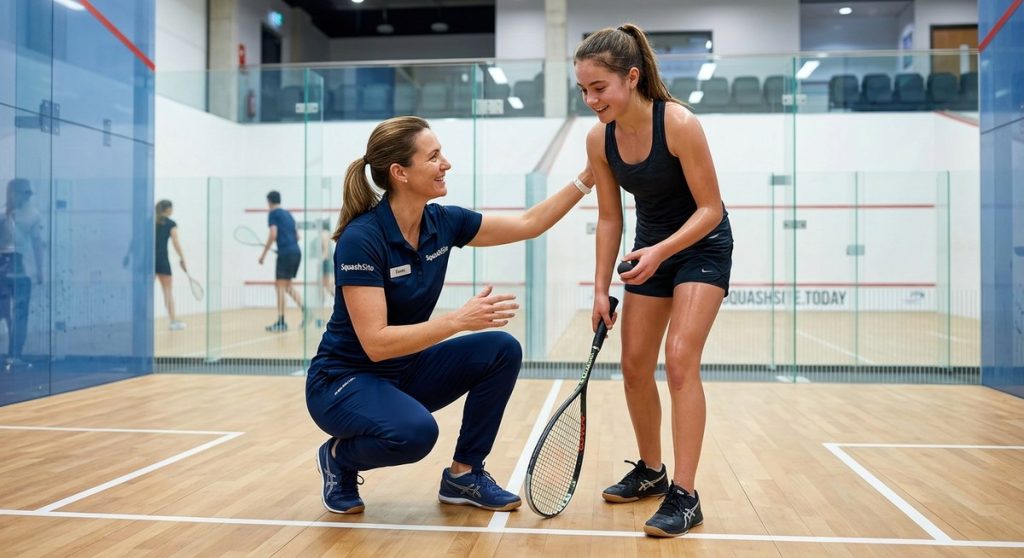
Squash coaching involves more than just refining technique and tactics. Keeping athletes motivated is fundamental to their progress and enjoyment of the game. A motivated player trains more consistently, stays committed through setbacks, and ultimately reaches higher levels. Yet, motivating athletes requires understanding what drives each individual and applying the right techniques at the right time. This guide shares practical, proven player motivation techniques for squash coaches that can transform your coaching approach and help athletes thrive.
Motivating squash players involves setting clear goals, fostering intrinsic motivation, creating a positive environment, and consistently encouraging effort. Applying these techniques can inspire athletes to perform at their best and stay committed long-term.
Understanding What Motivates Your Athletes
Every athlete is unique. Some thrive on competition, others value personal progress or team camaraderie. Recognising these differences helps tailor motivation strategies. Coaches should consider factors like age, experience, personality, and goals. For example, a junior player might respond well to colourful charts tracking progress, while a senior might prefer setting personal benchmarks.
Motivational drivers in squash players
- Achievement and mastery: The desire to improve skills and reach new levels.
- Recognition and praise: Feeling appreciated boosts confidence.
- Competition: The thrill of winning or testing oneself against others.
- Enjoyment: Simply loving the game keeps players coming back.
- Social connection: Building friendships within the club.
Understanding these drivers allows a coach to choose techniques that resonate.
Practical Techniques to Inspire and Retain Athletes
Here are the top player motivation techniques for squash coaches, with step-by-step guidance on applying them effectively.
1. Set Clear and Personalised Goals
Goals give athletes direction and purpose. They should be specific, measurable, achievable, relevant, and time-bound (SMART).
How to implement:
- Sit down with each player to understand their aspirations.
- Break down long-term ambitions into smaller milestones.
- Regularly review progress and adjust goals as needed.
- Celebrate when targets are achieved to reinforce effort.
Example: Help a player aim to improve their backhand accuracy by 10% over the next six weeks by tracking rally success rates.
2. Use Visualisation and Mental Rehearsal
Mental imagery enhances confidence and performance. Athletes imagining successful shots or matches can boost motivation and reduce nerves.
How to apply:
- Encourage players to vividly picture themselves executing winning shots.
- Incorporate daily mental rehearsal sessions before practice.
- Use video clips of top players to inspire and visualise tactics.
“Guided visualisation is one of the most powerful tools for enhancing athlete confidence,” advises sports psychologist Dr. Lisa Adams.
3. Embrace Challenges and Discomfort
Progress often involves stepping outside comfort zones. Coaches should frame challenges as opportunities to grow, not setbacks.
Practical steps:
- Assign drills that push players slightly beyond their current limits.
- Praise effort and resilience, not just results.
- Encourage a growth mindset by focusing on learning from mistakes.
For example, during a tough rally, highlight the effort rather than just the outcome to motivate continued effort.
4. Promote Intrinsic Motivation
Players who enjoy the game for its own sake are more likely to stay committed. Cultivate a love for the game by emphasising fun, learning, and personal growth.
Strategies:
- Use varied drills to keep sessions engaging.
- Provide autonomy by involving players in decision-making.
- Highlight improvements and personal bests over external rewards.
5. Foster a Positive and Supportive Environment
A coach’s attitude influences motivation. Creating a space where players feel safe and valued encourages effort.
Tips:
- Offer genuine praise for effort and progress.
- Build camaraderie through team activities or friendly competitions.
- Address negative self-talk immediately to prevent demotivation.
Common Mistakes and How to Avoid Them
While employing motivation techniques, coaches need to steer clear of common pitfalls that can undermine effort.
| Technique | Mistake |
|---|---|
| Setting goals | Making goals too vague or unrealistic |
| Using visualisation | Forcing athletes to visualise negative outcomes |
| Embracing challenge | Overloading players with too difficult drills |
| Promoting intrinsic motivation | Focusing only on external rewards |
| Building environment | Ignoring individual player differences |
Avoiding these mistakes ensures motivation strategies remain effective.
Additional Tips for Sustained Motivation
- Provide regular feedback: Constructive and positive comments motivate players to keep improving.
- Involve athletes in planning: When players help set their training plans, they feel more invested.
- Celebrate small wins: Recognising incremental progress encourages perseverance.
- Create a challenge ladder: Gamify progress with levels or badges.
- Encourage peer support: Pair athletes to motivate each other.
Analyzing Motivation Techniques for Impact
| Technique | Potential Mistakes |
|---|---|
| Goal setting | Setting goals that are too easy or too hard |
| Visualisation | Using it as a substitute for physical practice |
| Embracing challenge | Not providing enough support during tough drills |
| Promoting intrinsic motivation | Overlooking external motivators that matter to players |
| Supportive environment | Failing to address individual needs and personalities |
Applying the right balance of techniques tailored to the athlete’s profile is crucial.
Expert Advice on Maintaining Motivation
“Consistency is key. Regularly revisiting goals, celebrating efforts, and fostering a supportive atmosphere help sustain motivation over the long haul,” recommends renowned squash coach Sarah Jenkins.
Final Thoughts: Building a Motivated Squash Culture
Motivation is a cornerstone of successful coaching. By understanding your athletes’ individual drivers and applying techniques like personalised goal setting, visualisation, and creating a positive environment, you can inspire players to perform their best and stay committed. Remember that motivation fluctuates, and a flexible, empathetic approach makes a real difference.
Encourage your athletes to adopt these strategies and see how their enthusiasm and resilience grow. Motivation isn’t just a fleeting feeling; it’s a habit that, when nurtured, leads to lasting improvement and enjoyment on court.