5 Squash Racket Technologies That Are Worth the Investment in 2026
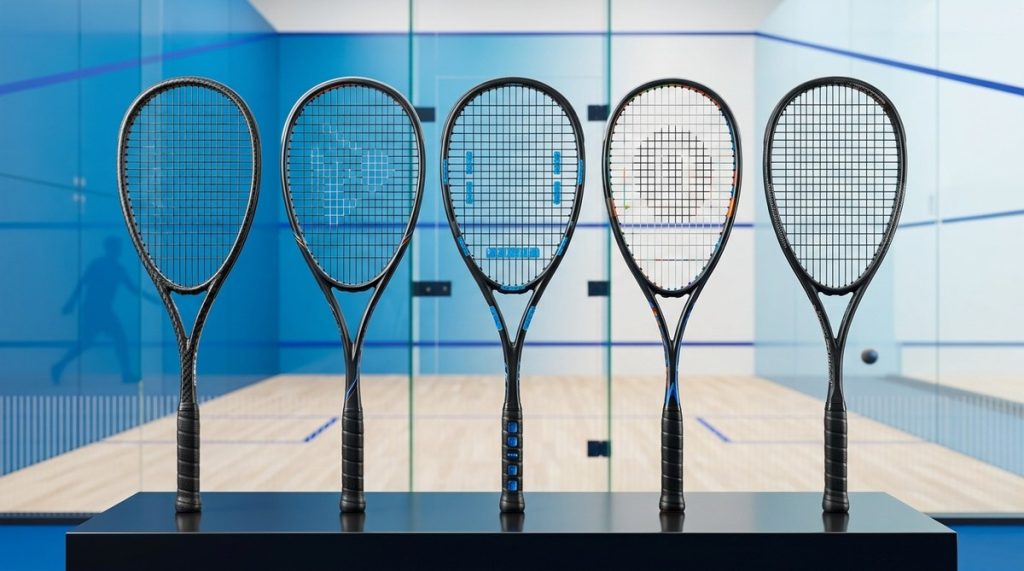
If you have been playing squash for a few years, you know the feeling. You step onto court with a brand new racket and something just clicks. The ball feels cleaner off the strings. Your volleys have more bite. You feel a fraction faster through the swing. That feeling is not magic. It is engineering. And in 2026, the technology inside squash rackets has moved forward more than in any single year since the move from aluminium to graphite.
The question is: which of these advancements actually deserve your money? Every brand releases a new model and claims it will transform your game. Most of those claims are marketing fluff. A few are genuine breakthroughs. This guide cuts through the noise and looks at five specific technologies that make a real difference for intermediate and advanced players. If you are looking to spend your money on a racket that will still feel great two seasons from now, these are the features worth prioritising.
Squash racket technology in 2026 is defined by five meaningful upgrades: sustainable high performance frames, advanced vibration dampening systems, integrated data sensors, next generation string formulas, and intelligent weight distribution. Each technology targets a specific weakness in a player’s game. Choosing a racket with the right combination of these features matters more than simply buying the most expensive model on the shelf.
The five technologies reshaping squash in 2026
Let us be honest. You do not need a racket with a built in computer to beat your club rival on a Tuesday night. But some technologies have crossed the line from gimmick to genuinely useful. Here are the five that have earned their place in the premium segment this year.
1. Sustainable high performance frame materials
Carbon fibre has dominated squash racket construction for decades. The difference in 2026 is where that carbon comes from and how it is layered. Several major manufacturers have switched to recycled aerospace grade carbon fibre. This is not a compromise for the sake of being green. The recycled fibres actually offer more consistent tensile strength because they are sourced from certified aircraft manufacturing waste.
What does that mean for your game? Frames built with this material feel stiffer through the hitting zone without adding weight. You get the power of a traditional heavy racket and the manoeuvrability of a lightweight frame. Brands like Dunlop and Tecnifibre have led this shift. Their 2026 flagship models use a blend of recycled and virgin carbon that delivers a noticeably crisper response on off centre hits.
2. Multi zone vibration dampening
Every racket claims to reduce vibration. Most do a mediocre job. The problem is that traditional dampening systems add weight to the handle, which shifts the balance point and deadens feel. In 2026, the best systems use a floating polymer insert embedded directly into the frame at the 5 and 7 o clock positions.
This technology works by interrupting the shockwave before it reaches your hand. The result is a cleaner feedback at impact. You still feel the ball, but you lose the jarring sting that causes tennis elbow over time. Head’s new IntelliSensor range and the latest Prince models use this approach. If you have ever dealt with arm pain after a long match, this is the single most important technology to look for.
3. Embedded swing data sensors
This one divided opinion when it first appeared. Critics called it a solution in search of a problem. But in 2026, the second generation of smart rackets has become genuinely useful. The sensor sits inside the butt cap and tracks swing speed, shot angle, and impact location on the string bed. It syncs to a phone app and gives you real feedback after each session.
The data is not just numbers on a screen. You can see exactly where you are mishitting the ball. If your sweet spot is drifting towards the frame edge late in the third game, you know you need to work on stamina. The latest version from the top squash racket brands in 2026 now works without charging, using kinetic energy from your swing. That is a genuine step forward.
4. Hyper elastic string technology
Strings have always been the most personal part of a racket setup. But the materials themselves have changed very little for fifteen years. That changed in late 2025. A new generation of hyper elastic multifilament strings hit the market and they are a genuine game changer.
These strings are made from a co polymer blend that stretches further than traditional nylon or natural gut before snapping back. The practical effect is massive. You get the soft feel of a multifilament and the durability of a textured polyester. Power generation requires less effort because the string does more of the work. Ashaway’s PowerKill Meta and Tecnifibre’s HDMX range are the standout options. You can read more about how string tension transforms your game in our dedicated guide.
5. Intelligent weight distribution with interchangeable bumpers
Weight distribution is the oldest trick in racket design. Make a racket head heavy and you get power. Make it head light and you get manoeuvrability. The problem is that you are stuck with whatever the manufacturer decides. In 2026, several premium rackets come with interchangeable bumper guards and tail weights that let you shift the balance point by up to fifteen percent.
This is not the same as adding lead tape. The weight is precision machined and sits inside the frame channel. You can switch from a head light setup for fast volley exchanges to a head heavy configuration for baseline power in under two minutes. The Lightweight vs head heavy rackets debate becomes irrelevant when you own one racket that does both.
How these technologies compare on court
The table below breaks down which technologies suit different playing styles and skill levels.
| Technology | Best for | Ideal player | Price impact |
|---|---|---|---|
| Recycled carbon frame | Power and consistency | Advanced club and tournament players | Medium |
| Multi zone dampening | Arm comfort and feedback | Players with previous injuries or long sessions | Low |
| Swing data sensor | Performance tracking and analysis | Data driven improvers | High |
| Hyper elastic strings | Power generation with soft feel | Intermediate to advanced all court players | Low |
| Interchangeable weight system | Versatility and customisation | Players who adapt their style per opponent | Medium |
How to select the right combination for your game
No single racket has all five technologies at the highest level. You need to pick the combination that matches your biggest weakness.
-
Assess your priority. If your arm hurts after matches, start with multi zone dampening. If you hit the tin too often, look at the sensor models. If you lack power, go for hyper elastic strings and a stiffer carbon frame.
-
Set a realistic budget. The smart sensor rackets cost between thirty and fifty percent more than a traditional premium frame. Decide whether the data is worth that premium for your level of play.
-
Demo before you buy. Most UK squash shops offer demo programmes. Take advantage of them. A racket that looks perfect on paper may feel dead in your hand.
-
Check the string compatibility. Some of the new hyper elastic strings require specific tension ranges. Make sure your chosen racket can handle the recommended tension without frame distortion.
-
Consider your long term plan. If you are planning to compete in club leagues or local tournaments over the next two years, investing in a racket with interchangeable weight gives you room to adapt as your game evolves.
Common mistakes when investing in new technology
Even experienced players fall into these traps. Avoid them.
- Chasing the lightest racket. Sub 120 gram frames are popular in 2026, but they require excellent technique to generate power. If your swing is not fully developed, a slightly heavier frame will serve you better.
- Ignoring grip size. The new vibration dampening systems work best when the grip fits your hand properly. A grip that is too small reduces the effectiveness of the dampening. Read our guide on why grip size actually matters for more detail.
- Buying based on pro endorsement. The racket that Mohamed ElShorbagy uses is custom built for his specific swing and string preference. The retail version shares the paint job and little else.
“The best technology in the world is useless if it does not match your swing. I always tell players to ignore the marketing and focus on how the racket feels during the first three rallies. Your hand knows more than the spec sheet.”
Sarah-Jane Perry, former world number four and 2026 PSA commentator
Testing your new racket the right way
Once you have chosen your new racket, do not rush straight into match play. The technology needs to settle into your muscle memory. Use this three session approach.
| Session | Focus | Duration |
|---|---|---|
| Session one | Solo court drills and ghosting | 30 minutes |
| Session two | Cooperative rallies with a partner | 45 minutes |
| Session three | Full match with emphasis on shot selection | 60 minutes |
This method helps you identify whether the racket is genuinely improving your game or just feeling different. For more structured training ideas, our guide on solo court drills provides twelve exercises you can run without a partner.
The real value of investing in 2026 technology
Some players will tell you that equipment does not matter. That is true up to a point. A national level player can beat most club players with a £30 racket from a sports supermarket. But for intermediate and advanced players competing at similar levels, the margin for improvement is small. Technology shifts that margin in your favour.
The sustainable carbon frames reduce weight without sacrificing stiffness. The vibration dampening systems protect your arm over long matches. The smart sensors give you data that would have required a coach and a video camera five years ago. And the hyper elastic strings let you generate pace without swinging out of your shoes.
If you are still using a racket from three or four years ago, you are leaving performance on the court. The gap between a 2022 frame and a 2026 frame is noticeable. Not dramatic. But noticeable. And in a tight match, noticeable is enough.
Making your decision in 2026
The best approach is simple. Identify the single biggest weakness in your game. Pick the technology that addresses it directly. Demo two or three rackets from different brands that feature that technology. Trust your feel over the reviews. And then commit to that racket for at least three months.
Your game will not transform overnight. But the right racket removes barriers. It lets your skill shine through without fighting against your equipment. That is what makes the investment worthwhile.
If you want to explore more options before deciding, our piece on budget friendly rackets that perform like premium models covers the best value picks for 2026. And once you have your new racket, make sure you know how often to restring it to keep that fresh feeling match after match.