Should You Specialise? Navigating Different Coaching Pathways in Squash
You’ve just earned your first coaching qualification. The court feels different now. You’re not just a player anymore. You’re responsible for someone else’s development, their enjoyment, maybe even their future in the sport. And suddenly, everyone’s asking what kind of coach you want to be.
Squash coaching specialization offers depth and expertise in areas like youth development, competitive training, or technique refinement, but generalist coaching provides flexibility and broader income streams. Your choice depends on local demand, personal strengths, and career goals. Most successful coaches blend both approaches, starting broad before gradually specializing as opportunities emerge. The key is building foundational skills first, then letting market needs and genuine passion guide your pathway naturally.
Understanding the Coaching Landscape in Squash
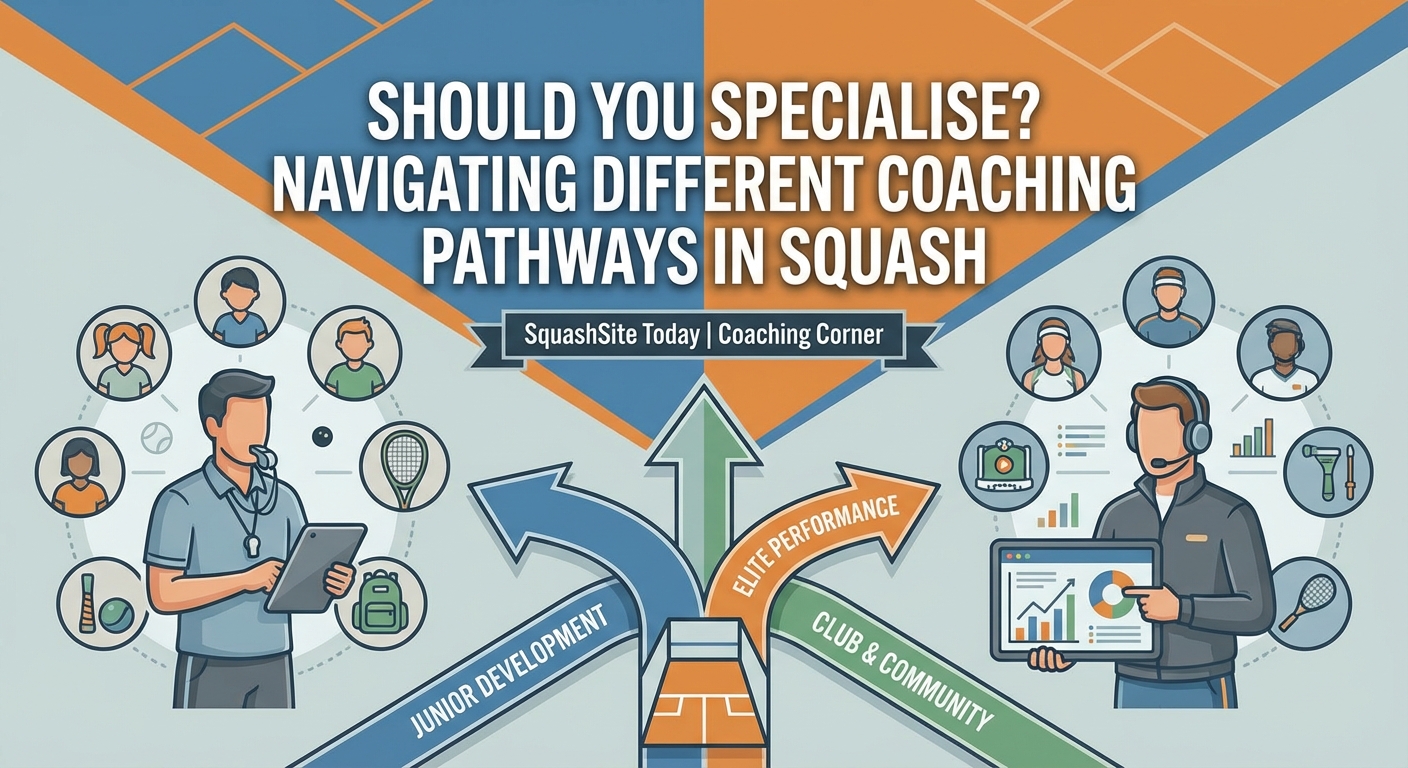
The squash coaching world isn’t neatly divided into boxes. You’ll rarely meet a coach who only does one thing. But there are distinct pathways that emerge as you develop your practice.
Some coaches build their reputation around junior development. Others become known for turning club players into competitive athletes. A few focus exclusively on technique correction for advanced players. And many, particularly early in their careers, do a bit of everything.
The reality is that your local market often dictates your initial direction. A club with strong junior programmes needs youth specialists. A competitive league environment creates demand for tactical coaching. A recreational facility might need someone who can teach absolute beginners how to hold a racket properly.
Geography matters too. Urban centres with multiple clubs offer more scope for specialization. Smaller towns require versatility. You might coach juniors on Tuesday, run adult fitness sessions on Wednesday, and work with a competitive player on Friday.
The Case for Specializing Early
Specialization builds credibility faster than generalist coaching. Parents looking for junior coaches want someone who understands child development, not just squash. Competitive players need tactical expertise that comes from years of match analysis, not generic advice.
Here’s what specialization offers:
- Deeper knowledge in your chosen area
- Stronger reputation within a specific coaching niche
- Higher rates for specialized services
- More focused professional development
- Clearer marketing message for potential clients
Technical specialists can charge premium rates because they solve specific problems. A coach known for fixing backhand drives will attract players struggling with that exact shot. Someone with a track record of developing county-level juniors will have parents queuing up.
“I spent my first three years coaching anyone who’d pay me. Then I focused exclusively on under-13 development for two years. My income doubled because parents knew exactly what I offered. No confusion, no competing with every other coach at the club.” – Regional junior development coach, West Midlands
The specialization path requires patience. You need enough experience to identify what you’re genuinely good at. Rushing into a niche before you understand the full coaching spectrum often backfires.
The Generalist Advantage
Versatility keeps you employed. Clubs value coaches who can cover holiday camps, adult beginners, competitive juniors, and everything between. Your calendar stays full because you’re not dependent on one narrow client base.
Generalist coaches develop broader skill sets. Teaching a beginner requires different communication than coaching an advanced player. Working with juniors builds patience and creativity. Adult coaching sharpens your ability to explain complex concepts clearly.
Financial stability comes easier when you’re not reliant on a single income stream. Junior coaching might slow during exam periods. Competitive coaching fluctuates with tournament seasons. Adult recreational sessions fill the gaps.
You’ll also learn faster as a generalist. Each coaching context teaches something new. Juniors force you to simplify explanations. Competitive players challenge your tactical knowledge. Beginners remind you that nothing is obvious.
The downside? You’re competing with specialists who can offer deeper expertise in specific areas. A parent choosing between you and a dedicated junior specialist might lean towards the specialist, even if you’re perfectly capable.
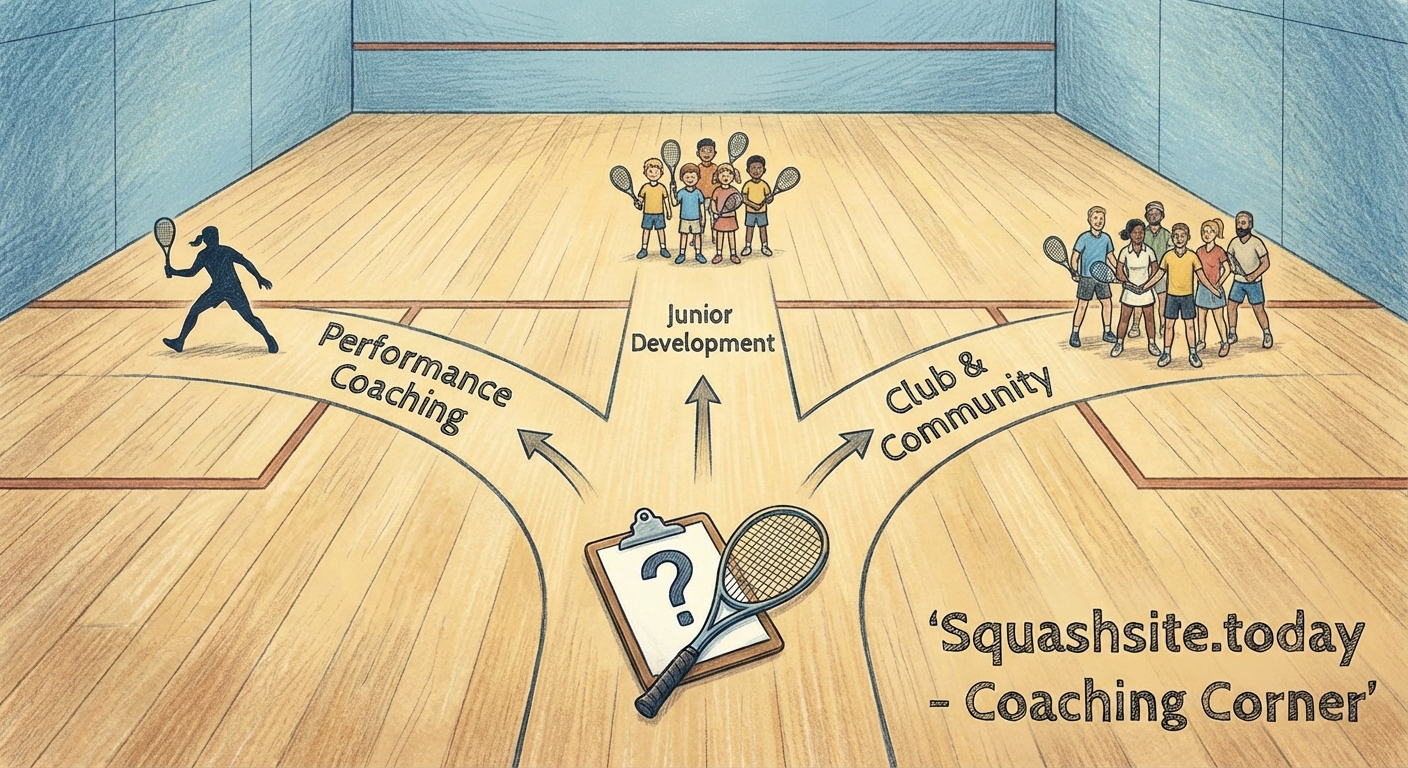
Three Main Specialization Pathways
Youth Development Coaching
This pathway focuses on players aged 5 to 18. You’re building foundations, developing physical literacy, and nurturing a love for the sport. Success here requires understanding child psychology, growth patterns, and long-term athletic development.
Youth specialists need patience. Progress is slow. Results take years, not weeks. You’re playing the long game, which doesn’t suit everyone’s temperament.
The work involves more than on-court coaching. You’ll manage parent expectations, communicate with schools, organize competitions, and create age-appropriate training programmes. Administrative skills matter as much as technical knowledge.
Income can be inconsistent. School holidays disrupt schedules. Exam periods see attendance drop. But established youth coaches with strong reputations build waiting lists and can sustain full-time careers.
Competitive Performance Coaching
Performance coaching targets players competing at county level and above. You’re refining technique, developing tactical sophistication, and managing the psychological demands of competition.
This pathway requires deep tactical knowledge. You need to understand game patterns, exploit opponent weaknesses, and adapt strategies mid-match. Video analysis becomes routine. Statistical tracking is essential.
Performance coaches often travel with players to tournaments. Your schedule bends around competition calendars. Weekends disappear. But the satisfaction of watching a player execute your game plan under pressure is unmatched.
The challenge? Limited market size. Most clubs have a handful of competitive players at best. You might need to work across multiple venues or offer online coaching to build a viable client base.
Technical Refinement Coaching
Technical specialists focus on biomechanics, movement patterns, and shot execution. You’re the person players visit when their forehand drive breaks down or their backhand volley keeps hitting the tin.
This pathway suits coaches with keen observational skills and patience for detailed work. You might spend entire sessions on a single shot. Progress is measured in millimetres of racket head position, not match results.
Technical coaches need strong communication skills. You’re explaining complex movements in simple terms. Analogies, demonstrations, and clear feedback loops become your tools.
The market for pure technical coaching is smaller but lucrative. Players at all levels need technical help occasionally. You become the specialist they return to when things go wrong.
How to Choose Your Pathway
Start by auditing your natural strengths. Are you patient with children? Do you love tactical puzzles? Can you spot technical flaws instantly? Your coaching should align with your genuine interests, not what seems most prestigious.
Consider your local market carefully. A club with 200 juniors supports youth specialists. A competitive league environment needs performance coaches. A recreational facility requires generalists who can teach beginners.
Here’s a practical decision framework:
- Coach broadly for your first 12 to 24 months
- Track which sessions you enjoy most and where you see best results
- Identify gaps in your local coaching market
- Test specialization part-time before committing fully
- Build expertise through formal qualifications and mentorship
- Gradually shift your marketing and availability towards your chosen niche
Your financial situation matters. Specialization often means lower initial income as you build reputation. Generalist coaching provides steadier cashflow whilst you develop expertise.
Building Expertise in Your Chosen Area
Specialization requires deliberate skill development. You can’t just declare yourself a youth specialist and expect credibility. You need qualifications, experience, and demonstrable results.
| Specialization | Key Qualifications | Essential Skills | Time to Credibility |
|---|---|---|---|
| Youth Development | Safeguarding, Child Development, Level 2+ Coaching | Communication with children, Programme design, Parent management | 2-3 years |
| Competitive Performance | Level 3+ Coaching, Sports Psychology, Tactical Analysis | Match analysis, Strategic planning, Mental skills coaching | 3-5 years |
| Technical Refinement | Biomechanics, Video Analysis, Advanced Technique | Movement analysis, Corrective exercises, Detailed feedback | 2-4 years |
Professional development never stops. The best specialists attend courses, study other coaches, and constantly refine their methods. Your expertise compounds over time.
Mentorship accelerates learning. Find an established coach in your chosen pathway and learn from their approach. Shadow their sessions. Ask questions. Most experienced coaches welcome genuine interest.
The Hybrid Approach That Actually Works
Most successful coaches blend specialization with generalist work. You might specialize in youth development but maintain a handful of adult clients for variety and income stability.
The 70/30 split works well. Dedicate 70% of your time to your specialty. Use the remaining 30% for complementary coaching that keeps skills sharp and income diverse.
This approach offers the best of both worlds. You build deep expertise and reputation in one area whilst maintaining flexibility and broader income streams.
Your specialty becomes your marketing focus. You’re known as the junior coach who also works with adults, not the generalist who happens to coach some juniors. The distinction matters for client perception.
Common Mistakes Coaches Make When Specializing
Specializing too early stunts your development. You need broad experience to understand what you’re truly good at and what the market actually needs.
Ignoring market demand causes financial stress. Your passion for technical coaching means nothing if your local area has three established technical specialists and zero youth coaches.
Failing to build foundational skills first creates gaps in your expertise. Every specialist needs solid generalist skills. You can’t coach competitive juniors effectively if you never learned how to teach beginners properly.
Under-investing in professional development limits your credibility. A weekend course doesn’t make you a specialist. Sustained learning, mentorship, and practical experience build genuine expertise.
Poor marketing leaves you invisible. Specialization only works if potential clients know you exist and understand what you offer. Clear messaging matters.
Transitioning Between Pathways
Your coaching pathway isn’t permanent. Many coaches shift focus as their careers evolve, market conditions change, or personal circumstances shift.
Transitioning requires strategic planning. You can’t abandon all existing clients overnight. Gradual shifts work better. Take on more work in your target area whilst maintaining existing commitments. Build reputation before making the full switch.
Some transitions are easier than others. Moving from generalist to specialist is smoother than switching between specializations. Your existing client base can help. A youth coach transitioning to performance work might follow their best juniors into competitive coaching.
Geographic moves often force pathway changes. Relocating from a city with abundant juniors to a rural club might require shifting towards adult coaching or becoming more generalist.
Financial Realities of Different Pathways
Youth coaching often means lower hourly rates but higher volume. Group sessions fill your calendar but individual rates stay modest. Income stability comes from consistent term-time bookings.
Performance coaching commands premium rates but requires more preparation time. An hour on court might need two hours of video analysis and planning. Your effective hourly rate needs careful calculation.
Technical specialists can charge high rates for intensive sessions but might see clients less frequently. Someone fixing a specific technical issue might need four sessions, not ongoing weekly coaching.
Generalist coaches typically earn middle-range rates with good volume. You’re not commanding specialist premiums but you’re not struggling to fill your calendar either.
Here’s what realistic annual income looks like at different experience levels:
- New generalist coach (0-2 years): £15,000 to £25,000
- Established generalist (3-5 years): £25,000 to £40,000
- Specialist with strong reputation (5+ years): £35,000 to £60,000+
- Elite performance coach (10+ years, working with national-level players): £50,000 to £100,000+
These figures assume coaching is your primary income. Many coaches supplement with related work like stringing, equipment sales, or running club programmes.
Building Your Reputation in a Specialized Area
Reputation takes time and consistent results. Parents remember the coach who developed their child’s love for squash. Competitive players remember the coach who helped them win their first tournament.
Results matter, but so does process. A youth coach might not produce national champions, but if every child in their programme improves, enjoys sessions, and returns each term, that’s success.
Documentation helps build credibility. Track player progress. Collect testimonials. Share success stories (with permission). Your marketing needs evidence, not just claims.
Visibility within your community matters. Attend local tournaments. Volunteer at club events. Contribute to coaching forums. People hire coaches they know and trust.
Continuing education signals commitment. New qualifications, conference attendance, and published articles all demonstrate ongoing expertise development.
Making the Decision That’s Right for You
Your coaching pathway should align with three factors: your strengths, market demand, and personal circumstances.
Start by honestly assessing what you enjoy. Coaching work you don’t enjoy leads to burnout, regardless of income potential. If you dread junior sessions, don’t become a youth specialist just because the market’s strong.
Research your local market thoroughly. Talk to club managers. Survey potential clients. Identify genuine gaps rather than assuming demand exists.
Consider your financial needs and risk tolerance. Specialization is easier if you have financial cushion or alternative income. Supporting a family on coaching income alone requires careful planning.
Test before committing. Run trial programmes in your potential specialty. Gather feedback. Measure results. Small experiments reveal whether a pathway suits you before you stake your career on it.
Your Coaching Journey Starts With Action
The specialization question doesn’t need immediate answering. Your first year should focus on gaining broad experience, building foundational skills, and understanding your local coaching landscape.
Watch experienced coaches work. Notice what resonates with you. Pay attention to which sessions energize you and which drain you. Your natural inclinations reveal more than any career planning framework.
Stay curious about different coaching approaches. The techniques that work for beginners differ from methods for developing competitive players. Understanding the full spectrum makes you better regardless of your eventual pathway.
Remember that great coaching transcends specialization. Whether you work with five-year-olds learning to hit a ball or elite players refining tactical nuance, the core skills remain the same. Clear communication. Genuine empathy. Technical knowledge. Patience. Adaptability.
Your pathway will emerge naturally if you focus on developing those foundational qualities first. The specialization decision becomes obvious when you’ve built enough experience to recognize where you add most value and find most satisfaction.
Start coaching. Learn constantly. Listen to your players and your instincts. The right pathway will reveal itself.