Refine Your Squash Technique: Key Drills to Perfect Your Stroke Mechanics
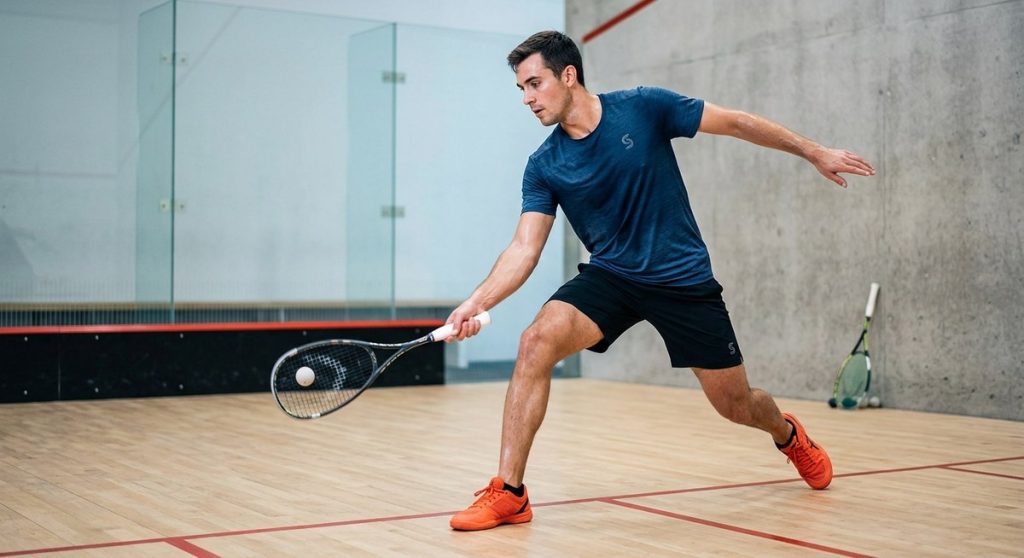
Improving your squash game hinges on refining your stroke mechanics. Even small adjustments can lead to better control, power, and consistency on the court. Mastering key squash technique drills is the best way to develop precise movements and build confidence in your shots. Whether you’re aiming for more accurate volleys or stronger drives, targeted drills can make a noticeable difference in your performance. Consistent practice of these techniques ensures steady progress and helps you play with more fluidity and confidence.
Focusing on specific squash technique drills enhances your stroke mechanics, leading to better control, power, and consistency. Regular practice shapes muscular memory and sharpens your overall game, making you more competitive on the court.
Understanding the Importance of Technique Drills in Squash
Every skilled squash player invests time honing their stroke mechanics. Technique drills are not just about repetition; they are about ingraining correct movement patterns. When your body becomes accustomed to ideal positioning and timing, your shots become more natural and effective. These drills also help identify and correct bad habits that might be hindering your game. As a result, your confidence grows, and your ability to respond to different opponents improves.
Consistent use of technique drills creates a solid foundation. Without them, even powerful swings can lack precision. Proper mechanics reduce injury risk and conserve energy during long rallies. It is equally crucial to focus on drills that simulate match scenarios to develop tactical awareness alongside technical proficiency.
Top Squash Technique Drills for Better Stroke Mechanics
Here are some of the most effective drills to refine your stroke mechanics. Incorporate these into your regular training to see tangible improvements.
1. Shadow Swing Practice
This drill helps you develop muscle memory for proper stroke execution without the ball. Stand in front of a mirror or against a wall. Practice your forehand and backhand swings slowly, focusing on grip, stance, and follow-through. Pay attention to your body position and racquet path. Repeat until the movement feels natural. Shadow swings are excellent for correcting flaws and building fluidity.
2. Wall Rally Drills
Using a wall is a practical way to enhance consistency and control. Hit the ball against the wall, aiming for specific zones. Focus on controlling your shot’s height and depth. Keep your stance balanced and use controlled swings. This drill improves accuracy and reinforces good technique under repetitive conditions.
3. Targeted Shot Placement
Set up targets on the court — such as cones or markings — in different areas like the front, mid, and back. Practice hitting these targets with your forehand and backhand. Concentrate on adjusting your stance and racquet face for each shot. This drill sharpens your shot placement, essential for controlling rallies.
4. Feeding Drills with a Coach or Partner
A coach or partner can feed you balls designed to trigger specific strokes. Focus on executing each shot with proper mechanics. For example, work on your drive by hitting straight shots with a smooth, controlled swing. Use these sessions to receive feedback and fine-tune your technique.
5. Movement and Stroke Integration
Combine footwork with your strokes to develop seamless movement and shot execution. Drills like moving to the front for a volley or stepping into a drive help you synchronise your body’s motion with your swing. This integration is vital for quick, accurate shots during matches.
Common Mistakes and How to Correct Them
| Technique | Mistake | Correction |
|---|---|---|
| Grip | Holding the racquet too tightly | Relax your grip to allow fluid motion |
| Stance | Standing too upright | Keep knees slightly bent and stay low for better balance |
| Swing Path | Swinging across the body | Follow through in a straight line towards the target |
| Follow-Through | Abrupt stop after contact | Continue your swing naturally after hitting the ball |
| Racquet Face | Opening or closing too early | Keep the racquet face aligned with your target during contact |
“Focus on quality over quantity. Repeating the correct technique is the key to muscle memory and long-term improvement,” advises squash coach Emma Richards.
Tips for Effective Practice
- Start slow and focus on form.
- Use video analysis to observe your technique.
- Incorporate drills into your regular routine.
- Seek feedback from coaches or experienced players.
- Be patient and consistent in your efforts.
Practical Processes for Technique Refinement
- Analyse your current stroke mechanics by recording your play. Look for areas where your technique deviates from ideal form.
- Set specific goals for each session. For example, focus on a smooth follow-through or consistent shot depth.
- Gradually increase intensity, maintaining focus on correct form. Speed and power should come after your technique is solid.
- Incorporate drills into match simulations to adapt your technique under pressure.
- Review and adjust your training based on progress and feedback.
Building a Routine that Lasts
Creating a structured practice schedule ensures continuous improvement. Dedicate a portion of each session solely to technique drills. Combine them with match practice and conditioning for a well-rounded approach. Remember, the aim is to ingrain good habits that will serve you during competitive play.
Final Thoughts on Developing Your Stroke Mechanics
Refining your squash technique through targeted drills transforms your game. Focus on consistency, control, and proper body mechanics. Regular practice, combined with expert feedback, will help you develop more accurate and powerful shots. Remember, every small improvement adds up over time. Stay patient, keep practising, and your game will elevate naturally.
Applying the drills to elevate your squash performance
Integrate these technique drills into your routine with dedication. Use video feedback to spot flaws and adjust accordingly. Be mindful of your body’s movements and stay relaxed during each stroke. Over time, these deliberate practices will become second nature, making your game more fluid and confident. Keep pushing your boundaries and enjoy watching your skills improve on the court.